
Munich and beyond - the treasures of Bavaria
Munich, the capital of the federal state of Bavaria and the seat of the Upper Bavaria region, is called by many the most beautiful center of Germany. Undoubtedly, there is something to tempt tourists - it is a very green city, with numerous parks and the so-called green belts, often from several hundred meters to one kilometer. It is impossible to miss a place that is extremely popular with the locals, which is the English Garden, the largest city park in Europe. And what, apart from greenery, can we find in Munich made famous by Oktoberfest? What other attractions hides Bavaria?
Trip to Munich
There are over 470 monuments in Munich, and among the monuments we can find both sacred and secular. Speaking of the former, it is necessary to mention the most famous temple in the city, the Cathedral of Our Lady, and the oldest - the Church of St. Peter. In turn, the laity include, among others three former city gates, richly decorated New Town Hall, Alter Hof, i.e. the former imperial residence of Louis IV of Bavaria, or the neo-Gothic Maximilianeum building, the seat of the parliament. Tourists are also invited to over a hundred museums, including the Old Pinacotheque with paintings from the 14th-18th centuries, the New Pinacotheque with a collection of European art from classicism to art nouveau, and the Glyptoteka, a museum of ancient art.
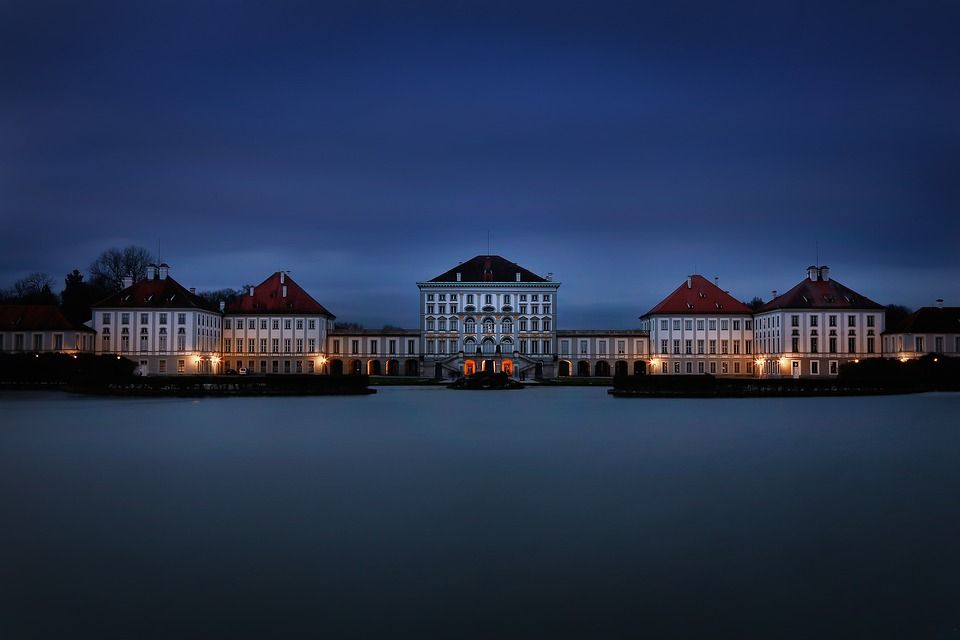
A few words should be devoted to the baroque Nymphenburg Palace with its adjoining garden, the former summer residence of the Wittelsbachs. The Castle of the Nymphs was a gift from Ferdinand Maria Wittelsbach to his wife Henrietta. There are several buildings in the residence - we can visit the so-called A village (Das Dörfchen), a Chinese-style pavilion (Pagodenburg) and a former hunting lodge (Amalienburg), the Hermitage of St. Mary Magdalene (Magdalenenklause) and the Bathroom (Badenburg). The park and palace complex has already delighted its contemporaries, today the next generations of tourists can admire the baroque garden with a fountain in the center, numerous statues of gods and heroes, and the beautiful English park surrounding the whole place.
Leisure in Bavaria
When visiting Upper Bavaria , Rosenheim is worth a visit. From Munich, it can be reached by train (Meridian) in approx. 45 minutes. The city was fortunate enough not to be destroyed during World War II, today it delights visitors with its Alpine charm. Approx. 15 km from Rosenheim lies the spa town of Bad Endorf . In the thermal baths there, everyone will get rid of all stress - you will find relaxation in indoor and outdoor recreational pools, sauna, solarium, salt cave (salt from the Dead Sea) or during spa treatments. You can satisfy your hunger in one of the two bistro bars.
Everyone has been thought of, including naturists, with a special sunbathing area waiting for them. If someone is planning a holiday in Germany and loves the mountains, he will enjoy a holiday in Upper Bavaria - the highest part of the German Alps belongs to it. The symbol of the region and at the same time the highest mountain in the country is the Zugspitze , a mountain near Garmisch-Partenkirchen. It can be accessed by a cogwheel railway that traverses numerous tunnels along the way, and there is also a cable car to its top. The Zugspitze is popular with skiers because of its excellent conditions almost all year round. It is visited by both Germany and tourists spending their holidays in Austria or in neighboring countries.
Camping on Lake Simssee
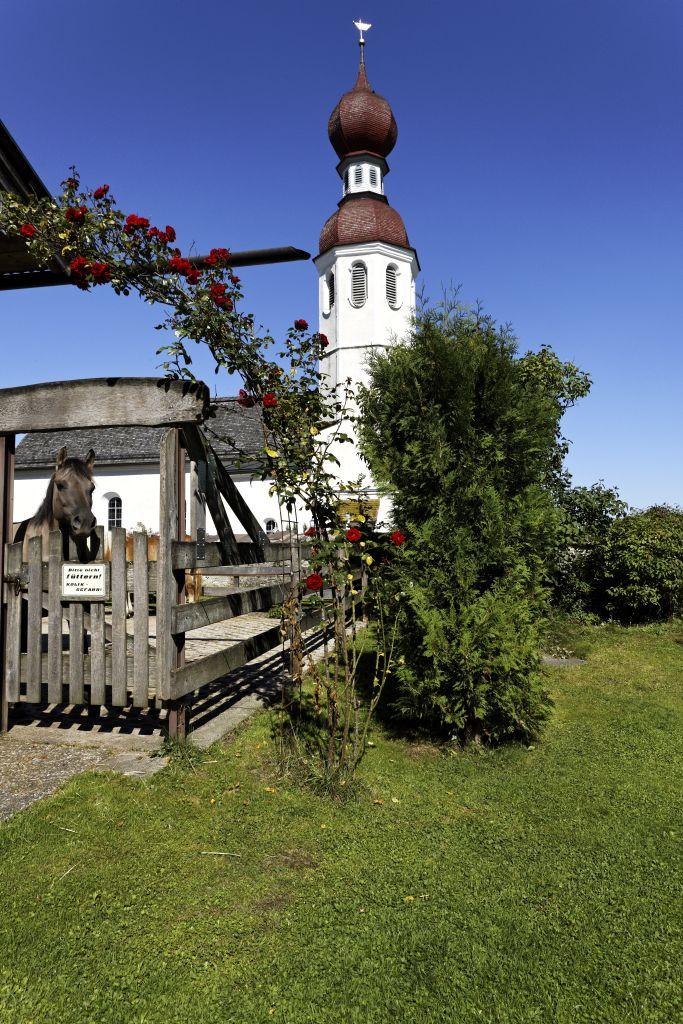
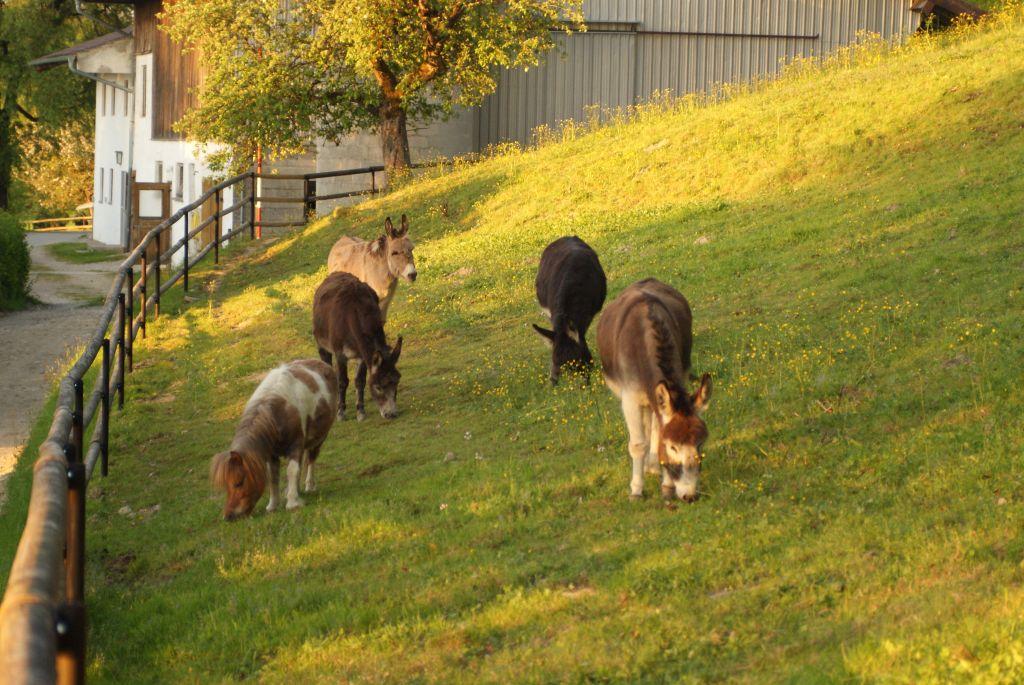
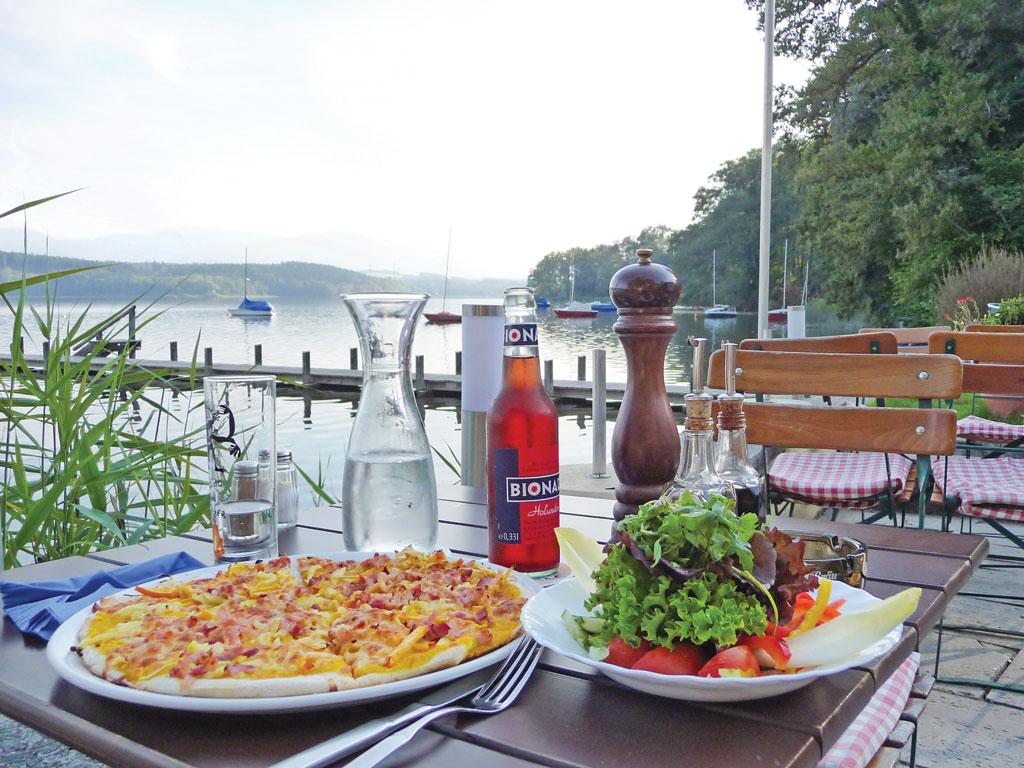
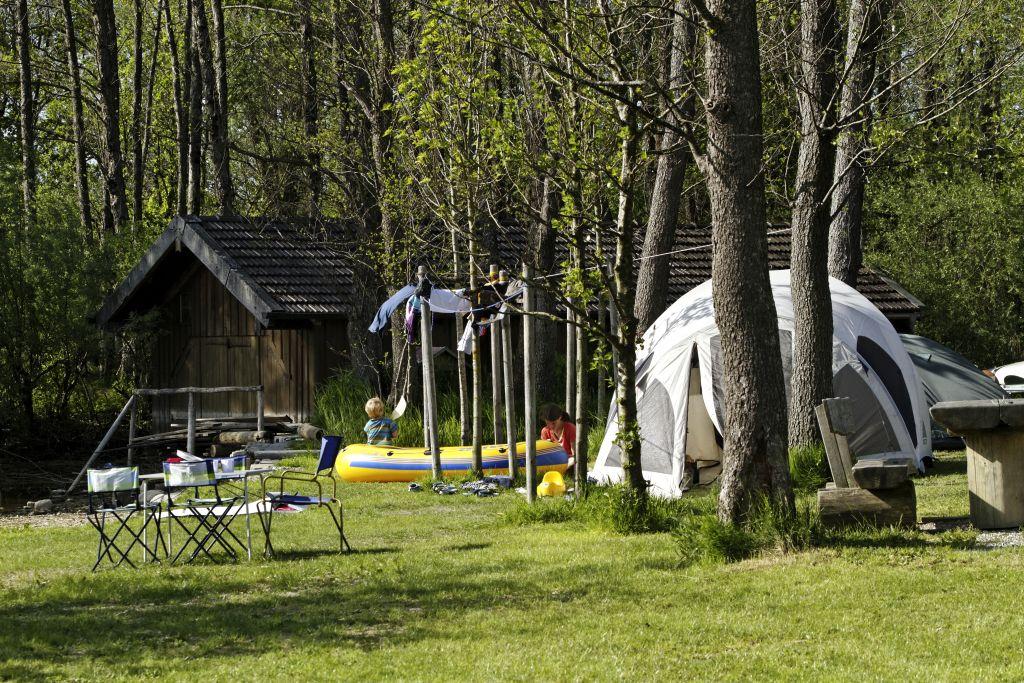
The region will delight holidaymakers looking for peace, quiet and greenery. In the heart of Upper Bavaria, the 4-star Camping Stein Am Simssee offers hospitality to all those who love a holiday in a natural setting. Is it passive (by the lake, on a large grassy beach) or active - its area includes, among others, football field, you can play table tennis, as well as rent a bike and explore the surrounding routes. It is a family campsite where children can meet miniature donkeys and Shetland ponies. Of course, there is also a playground for the little ones. The campground is an ideal base for exploring Bavaria. Among other things, it is approx. 15 km from Rosenheim.

A writer by profession, a passion of a cat. One day he will see what is behind the Urals - good to Vladivostok. So far, when he can, he enjoys the sun of the countries of southern Europe. And it's also fun;)