
The glass islands of Murano
What is aventurine glass associated with? The name, exotic for some, has nothing to do with Advent - it is a term for glaze that was invented on the Italian islands of Murano, creating them by chance ("per aventura"). Metal filings got into the molten glass mass, which gave the glass a unique flash. Another name for a beautiful synthetic is the stone of a thousand suns, golden red is called "sand of the desert", while dark blue is called "Cairo night". Isn't it romantic? As befits the work of Italians.
Murano shimmering in the sun
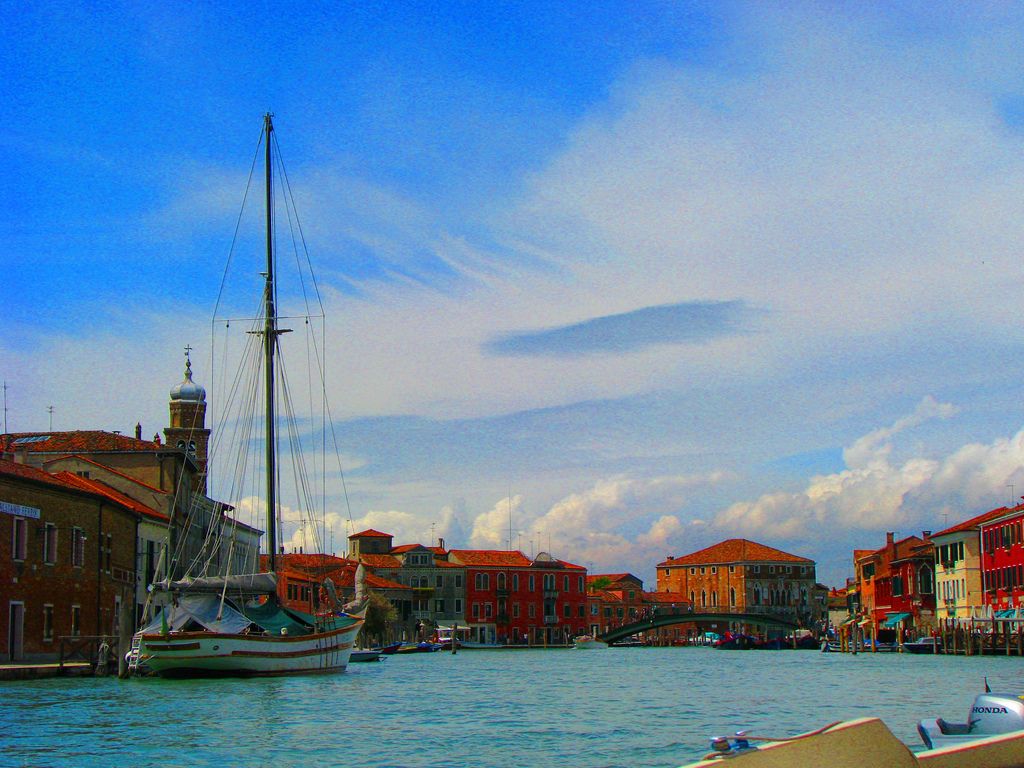
Even though they are often treated as one single island separated by canals, Murano is a group of seven small islets. Like expensive stones in a chain, they are connected by bridges, thanks to which getting from one to the other is not a problem. They are located on a beautiful lagoon surrounding Venice, which can be easily reached by vaporetto - water bus. Since the 14th century, they have been famous throughout the European continent for the production of glass and glass products, both functional (e.g. chandeliers or mirrors) and cubes for mosaics. Today, there are still workshops on the islets that continue the old traditions. During the walk, we will pass many glass sculptures placed on the pavement, and if you want to buy a souvenir from a trip around Murano , the only problem may be the choice of place, because we will encounter glassware shops every step of the way. You have to be aware that we will not pay little - as someone once maliciously commented, not only glass is inflated on the islands, but also its prices.
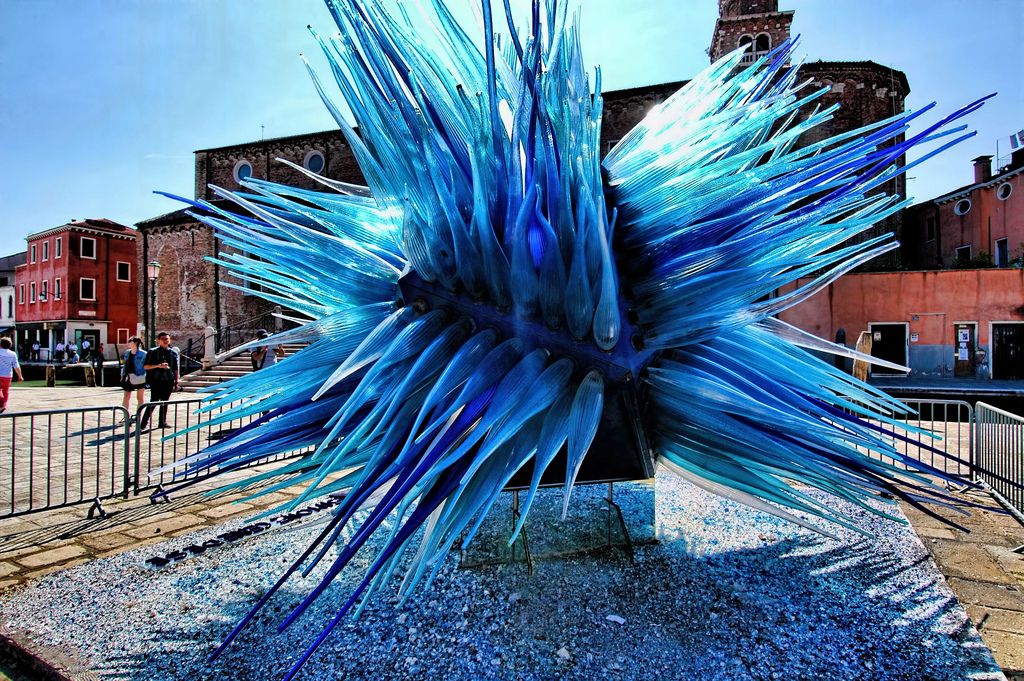
If someone wants to learn more about the production of glaze, which has made Murano famous throughout the continent, he can watch the glass forming process in a glassworks or in one of the shops. Or you can go to the Museo Vetrario - the glass art museum, the only one in Italy and one of the few in the world. It is located in the Palazzo Giustinian, on the Fondamenta Giustinian. In summer, it is open from 10 am to 5 pm (except Wednesdays and public holidays) and the admission ticket costs around 4 euros. During a trip to the museum, you can see the Basilica di Santa Maria e Donato built in the 12th century, standing in the same street.
Italian vacation
Already in the first moments of staying on the islets, we will notice that there is a family atmosphere there, and the inhabitants are nice and friendly. Perhaps this is due to the intimacy of Murano - there is no car traffic (all the necessary products are delivered by water), and the area itself is quite small. So you get the impression that everyone knows each other. Despite the fact that we spend our vacation in the heart of Veneto , we are not threatened with the crush and buzz here, so affecting the capital of the region, beautiful Venice. Which doesn't mean, of course, that the streets are empty. It is worth taking a trip to the south-eastern tip of the island (s), crowned by the Murano Faro lighthouse built in 1912. We will visit the islands themselves quickly due to their size, after which you will be able to take a vaporetto again and go back to Venice in a little more than a quarter of an hour. And there, a whole lot of attractions await us, they look completely different in the middle of the day than at night, when the main streets and bridges, alleys and palaces are charmingly illuminated. After sunset, more candle flames appear on restaurant tables like fireflies on a meadow. Even if you close your eyes, you know that you are in the city of lovers - in the background, in the background, you can always hear the soft murmur of water.
Camping in Venice
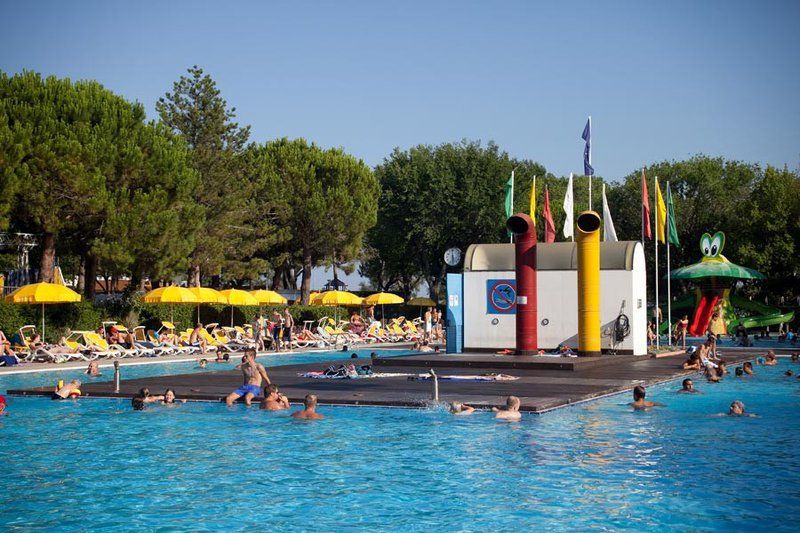
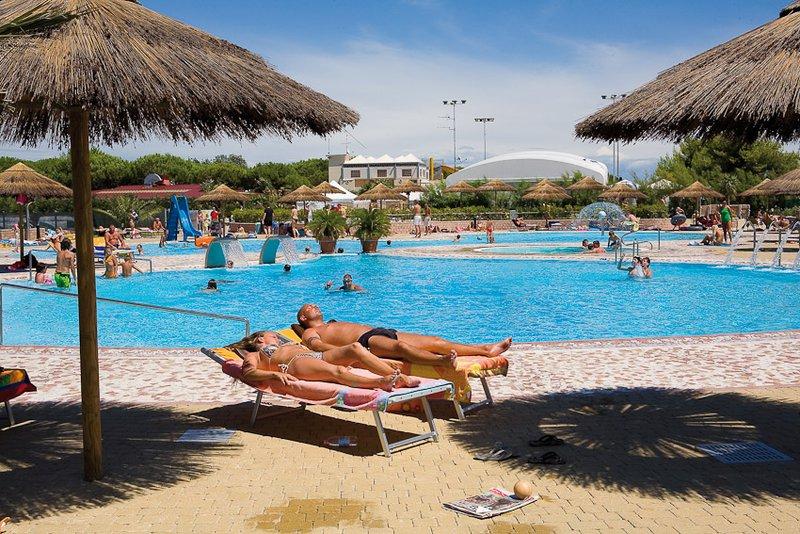
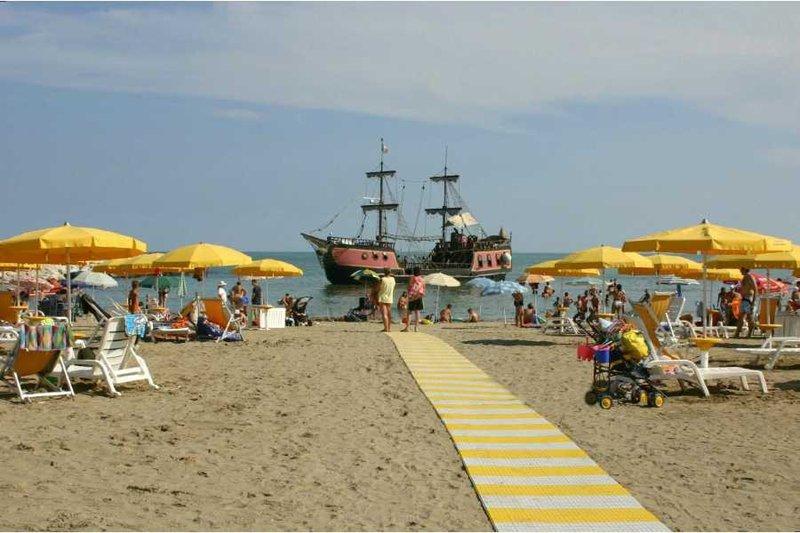
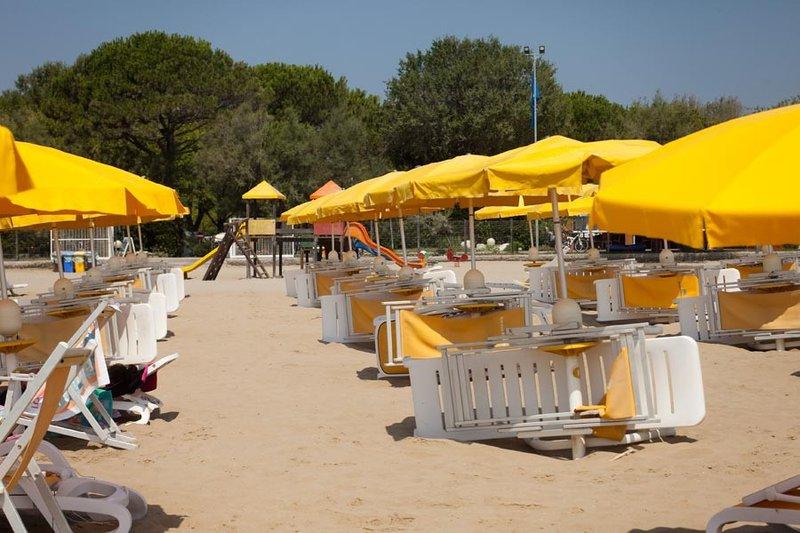
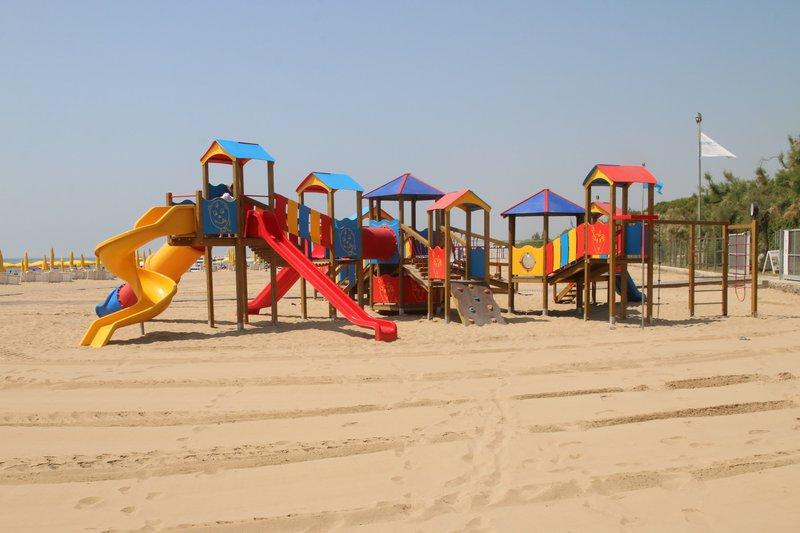
When searching the rich base of accommodation in Venice and the surrounding area, many people will surely pay attention to the well-equipped facility located in close proximity to the resort of Jesolo, on the Cavallino coast. Camping Village Cavallino Garden Paradiso , because it is in question, invites tourists to rest in cottages and bungalows, and also offers shaded pitches for caravans or campers. It tempts with the possibility of relaxing in the shade of pine trees, access to a wide stretch of sandy beach and a varied range of entertainment for enthusiasts of active leisure. And of course, the proximity of the queen of the lagoon - Venice.

A writer by profession, a passion of a cat. One day he will see what is behind the Urals - good to Vladivostok. So far, when he can, he enjoys the sun of the countries of southern Europe. And it's also fun;)