
The shadow of the beast in Lozère
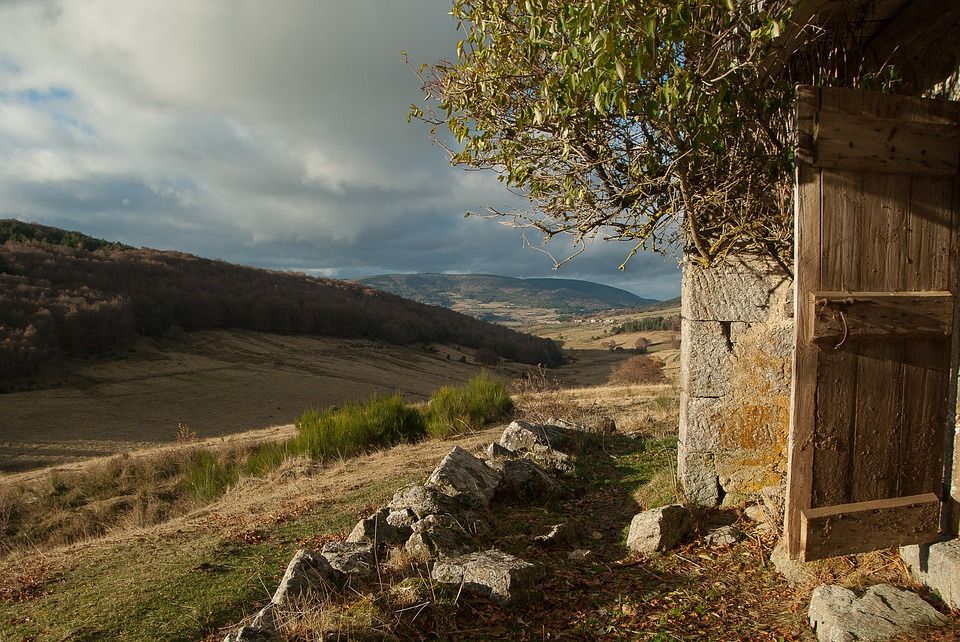
Languedoc-Roussillon is located in the south of France. It is part of the recently created region of Occitania, and the proximity of Spain and access to the Mediterranean Sea makes it an attractive destination for both holidays and a shorter holiday trip. It is famous for its numerous wineries. At the beginning of the 21st century, the production of local wine accounted for 1/3 of the national production, more than, for example, in the entire United States. In addition to wine, the region is famous for something else - something that not so long ago residents were afraid to leave their homes even during the day.
The wolf fame of Gévaudan
People who spend their holidays in Languedoc-Roussillon expect a different kind of entertainment than those who choose popular tourist resorts. They prefer relaxation and rest in a natural setting, rather than discos, crowds and hustle and bustle. Such vacationers like Lozère, the least populated department in France, for example. It arouses tourists' interest in something other than multi-star hotels, loud pubs or restaurants with an exquisite menu. It attracts them with the story of the dark times when the local people lived in fear of a bloodthirsty beast. In the past, its territory was the historic land of Gévaudan , where nearly 250 people died in the 18th century, mainly women and children. There are several theories trying to explain who or what was taking their lives. Maybe it was a huge wolf, brought from distant French colonies of a hyena, or maybe a man disguised as an animal? The story of the beast of Lozère was an inspiration for the author of the novel "Jekyll and Hyde", and the film "Brotherhood of the Wolves" was also based on it. Today, the monster is a department's catchy advertisement, sometimes approaching kitsch - in places of attacks, we can buy a car sticker, a mug, a T-shirt or a figurine. When visiting Lozère , you can discover the places where the monstrosity was roaming, such as the house in Septsols where one of the victims was devoured, or Chaumette's house in Suagues where they were shot. Cities where it did not attack are also used by the legend - in Marvejols on Place des Cordeliers there is a sculpture representing a beast, often photographed by tourists. Near the village there is Gévaudan Wolf Park , where over 130 wolves live, including From Poland. You can see them during a guided tour.
Vacation in Langogne
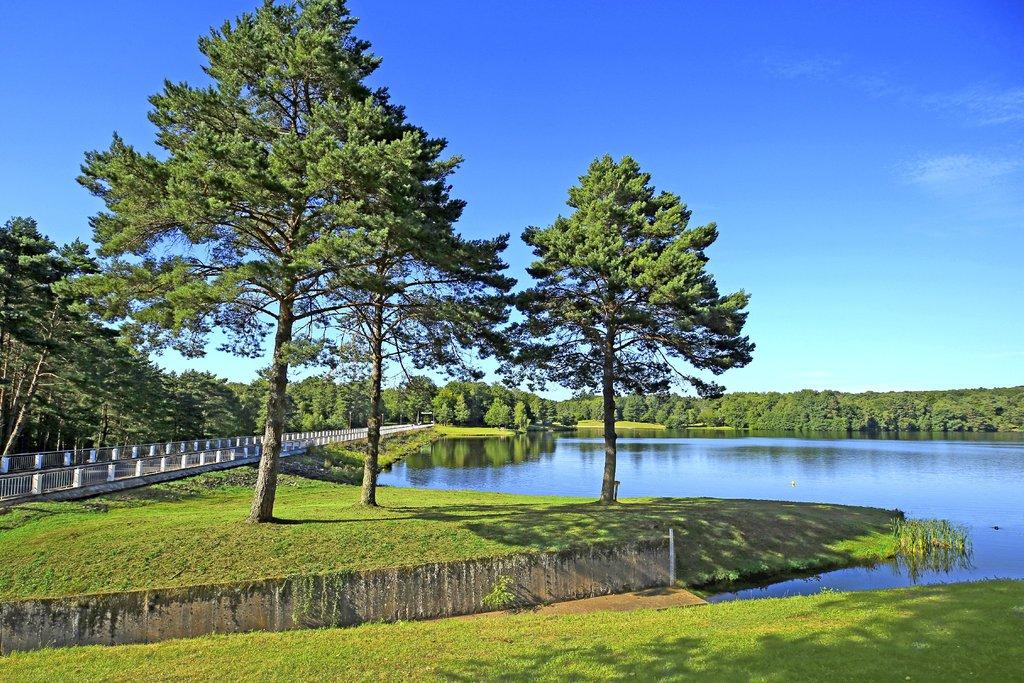
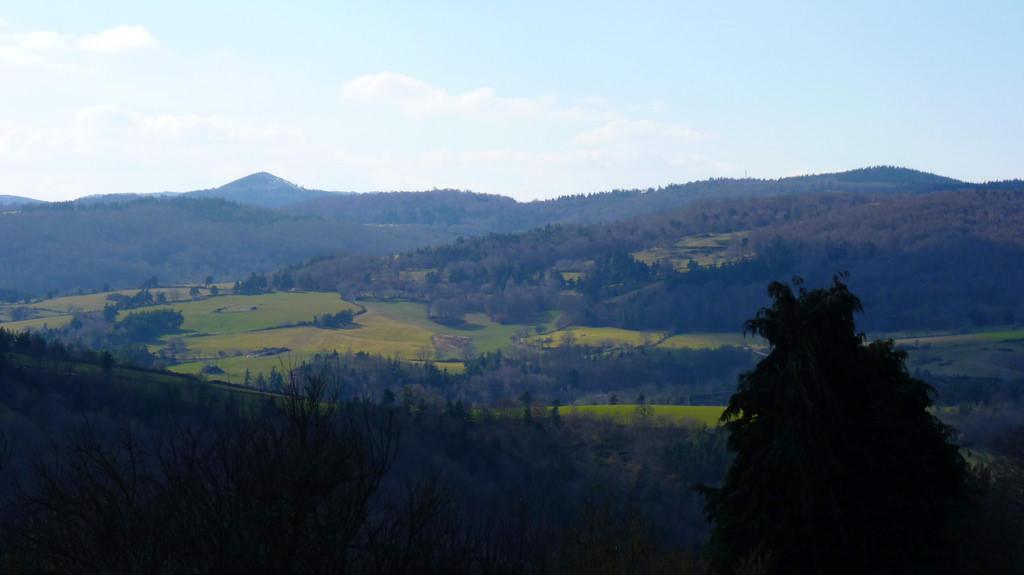
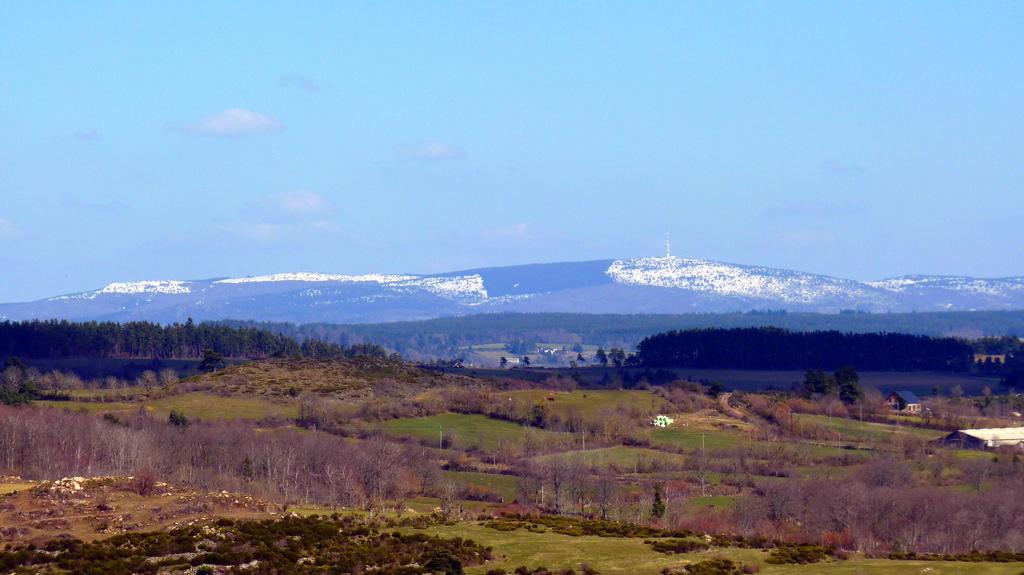
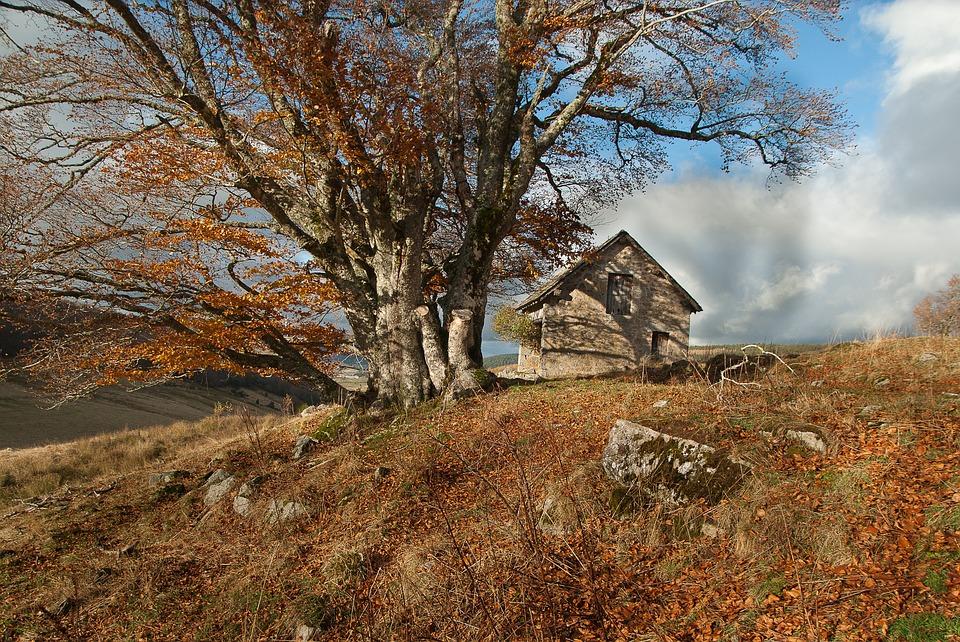
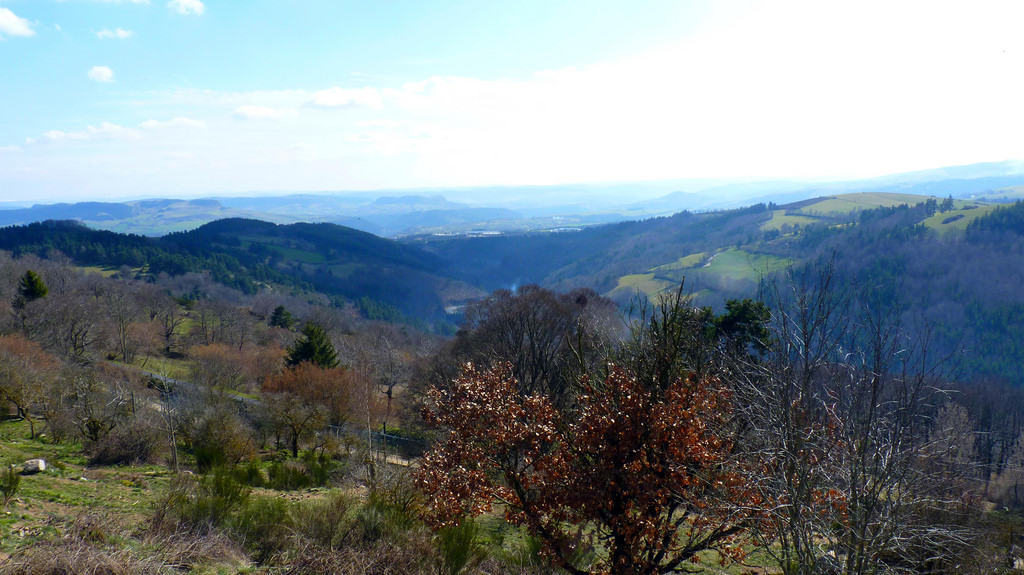
About 60.5 km from Marvejols lies Langogne , one of the few gates to the historical land of Gévaudan, and from 2016 also to the region of Occitania. The city is beautifully situated in the valley of the river Allier, in a mountainous region. It is intersected by the Langouyrou stream, which connects to Allier in the northern part of the commune. The area is liked by tourists looking for the closest possible contact with nature. Mountain hikers will be delighted to come here - the beautiful trails of the Cevena Mountains (Cevena, Cevenas, Les Cévennes) await them. The nearby towns are also worth exploring, e.g. La Bastide Puylaurent , located between Langogne and Villefort. It is situated not only on the banks of the Allier but also between the two departments: Lozère and Ardèche. A few kilometers before the aforementioned Villefort, there is a picturesque Villefort lake with a small, nice beach. The advantages of Langogne are landscapes, greenery, silence and the opportunity to relax away from the hustle and bustle of civilization. If you are planning a vacation in France , like backpacking hours and hours of nature watching, you will love this region.
Camping in Langogne
Would anyone like to stay overnight by the river? If so, visit Camping "La Cigale de l'Allier" , located in close proximity to the center of Langogne, in a bend in the Allier River. It is not big, so you will find peace and quiet here, its additional advantage is the greenery surrounding the campsite. You can stay in a cottage, in a tent, in a caravan or camper, there are also mobile homes. At the campsite there are, among others snack bar and heated pool. The landscape of the area tempts you to go hiking, and since the beast is no more, you can wander the forests without fear.

A writer by profession, a passion of a cat. One day he will see what is behind the Urals - good to Vladivostok. So far, when he can, he enjoys the sun of the countries of southern Europe. And it's also fun;)