
On the Polish volcano
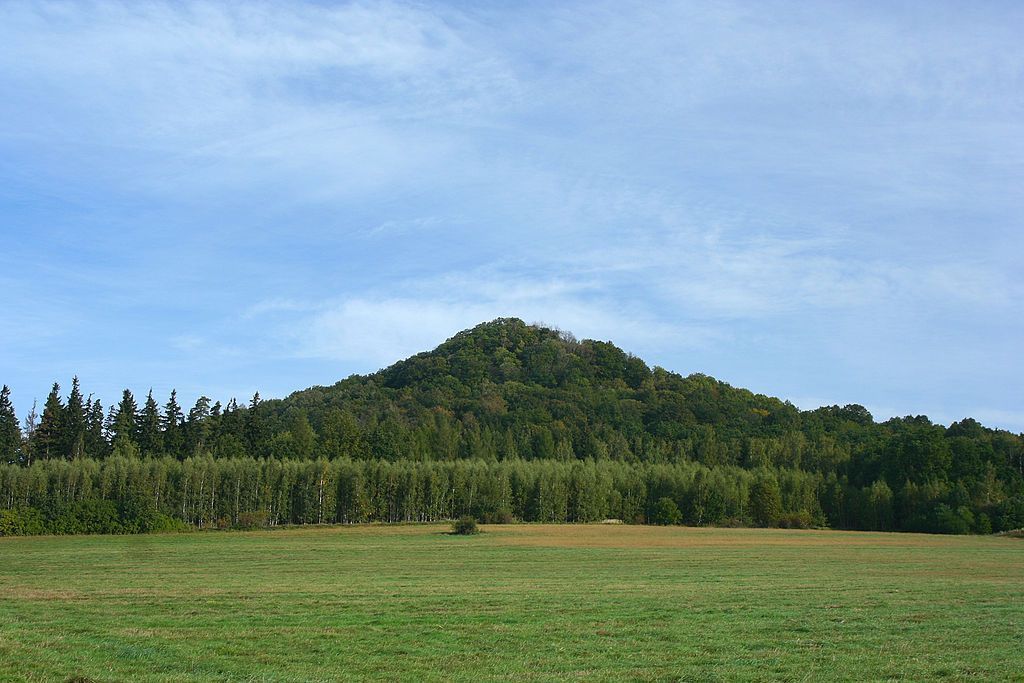
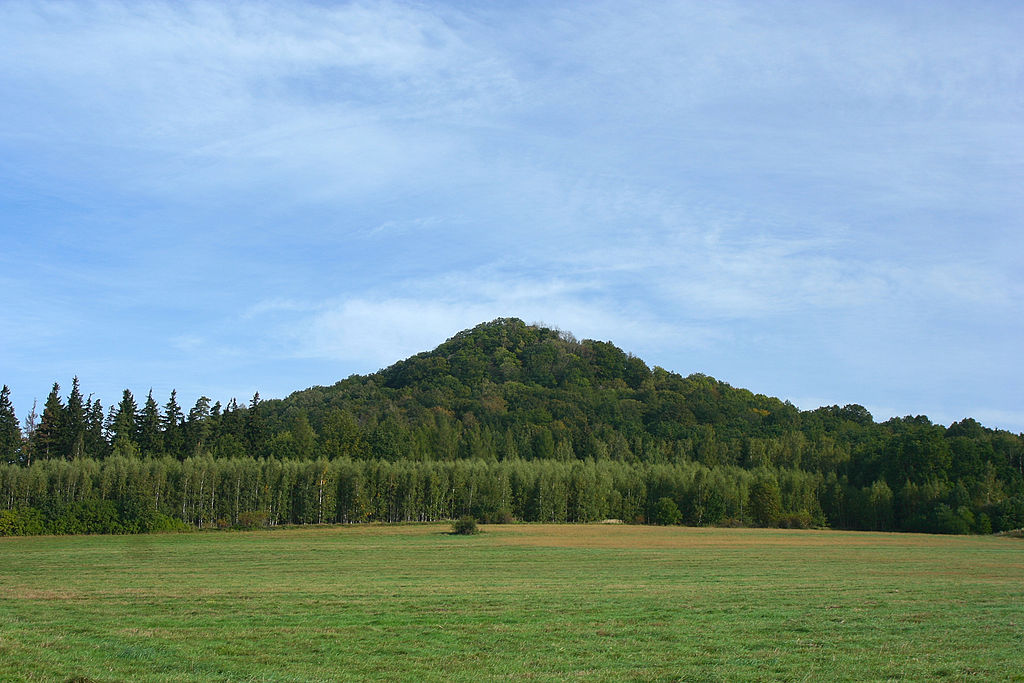
Is there anyone in the room who does not know that we also have a volcano in Poland? It is called the "Silesian Fujiama", and officially it is called Ostrzyca Proboszczowicka. It is the highest peak in the Kaczawskie Foothills located near Złotoryja, 499 m above sea level
Most likely, in the past, Ostrzyca Proboszczowicka measured several hundred meters more than today. The hard "core" of the mountain, consisting of volcanic neckties, has survived to this day, while the weaker layers (including tuffs or volcanic ash) have been defeated by erosion.
The Polish volcano is the home of the snail
Life blooms at the foot of the mountain. We can observe, among others rare rock snails (small spirits) with shells twisted like a drill - hence the name. On warm days, the slender silhouettes of butterflies known as the queen's pages float in the air. The southern slopes are the largest and, at the same time, the most beautiful Sudeten basalt hills . From the top of the cone, you can admire the Western Sudetes, as well as a large part of the Śląsko-Łużycka Lowland and the Sudeten Foreland.
Ostrzyca was a nature reserve already before World War II, and after it, in 1962, a geological reserve "Ostrzyca Proboszczowicka" was established on its top. Two decades later, the Protected Landscape Area was established, covering an area of 1,190 ha.
Pagan roots, legends and myths
According to various sources, during the Lusatian culture, the top of the mountain may have been the center of a pagan sun worship. According to legends, one day the devil decided that he would take all the unfaithful inhabitants of Legnica and the surrounding towns to hell. He packed the unfortunates into a huge sack and set off on the road, but inadvertently caught him on the top of Ostrzyca. The sackcloth dissipated and, trapped like stones, they scattered around the area. Nowadays, their descendants come from all over the world to Twardocice to see the obelisk erected in memory of the infidels, i.e. the Protestant Schwenckfeldist sect, and their spiritual leader Daniel Caspar von Schwenckfeld.
This is not the only legend told about the mysteries of the mountain. In the next, we learn the story of the staroste who repents his offenses by galloping on horseback through the forests around Ostrzyca. Woe to those who see his enormous headless figure rushing mad, not knowing where and for what purpose. Yet another legend tells about a hermit who freed the von Redern family , the owners of Proboszczow, when they were held captive by Wallenstein's soldiers. No one has ever discovered how the hermit saved the imprisoned from imminent death.
Wandering to the top of the Polish volcano
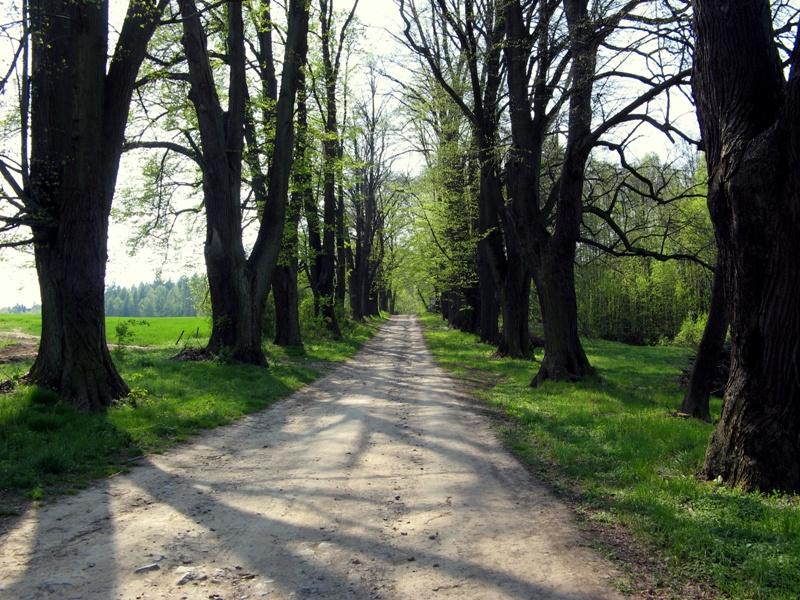
Those who want to climb Ostrzyca can go to the top via basalt stairs with handrails. There are also stone benches on the route where you can sit and admire the views. It is beautiful here at any time of the year - in spring, the slopes are covered with lily of the goldthorn , while in summer, the heady smell of blooming linden forests can be heard from all over the place. In May, the landscape of the fields at the foot of the mountain is filled with the juicy yellow of rapeseed .
Most tourists decide to climb the Ostrzyca peak from Złotoryja, Legnica and Lubin. Some depart from Lwówek Śląski and Wleń, while the smallest number of people - from Jelenia Góra.
A trip to Ostrzyca will please every nature lover, with particular emphasis on flora. There are as many as 180 different plant species in the reserve, 10 of which are under legal protection. These include the abovementioned golden-headed lily, common buckthorn, lily of the valley and guelder rose. Among the trees growing on the slopes, we can see common maple, hawthorn and mountain elm.
Ostrzyca Proboszczowicka is one of the most famous viewpoints of the Western Sudetes, and the landscapes admired from its summit have already been described by old German guidebooks. I think it's high time to see for yourself about their beauty with your own eyes.

A writer by profession, a passion of a cat. One day he will see what is behind the Urals - good to Vladivostok. So far, when he can, he enjoys the sun of the countries of southern Europe. And it's also fun;)