
The city of the wooden puppet - Lyon
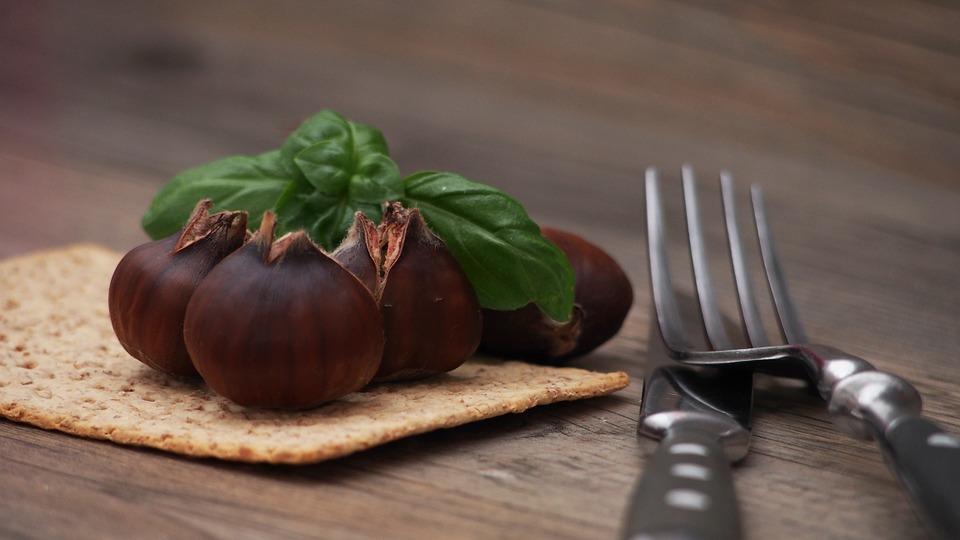
Every fan of French cuisine will love the Lyon restaurant menu. Right here, in a city famous for its numerous collections of contemporary art, you can taste unique asparagus with oyster mousse, crab soup with saffron or ravioli stuffed with snails.
Lyon is the third largest city in France (after Paris and Marseille). It is located on the Saone and Rhône mountains in the Rhône-Alpes region in the central-eastern part of the country. It is impossible to deny its charm - it is full of Renaissance tenement houses with arcaded courtyards and beautiful facades. In addition to centuries of history, it attracts tourists with the atmosphere of a cosmopolitan city that is dynamically developing, in no way inferior to the capital.
Fourvière hill
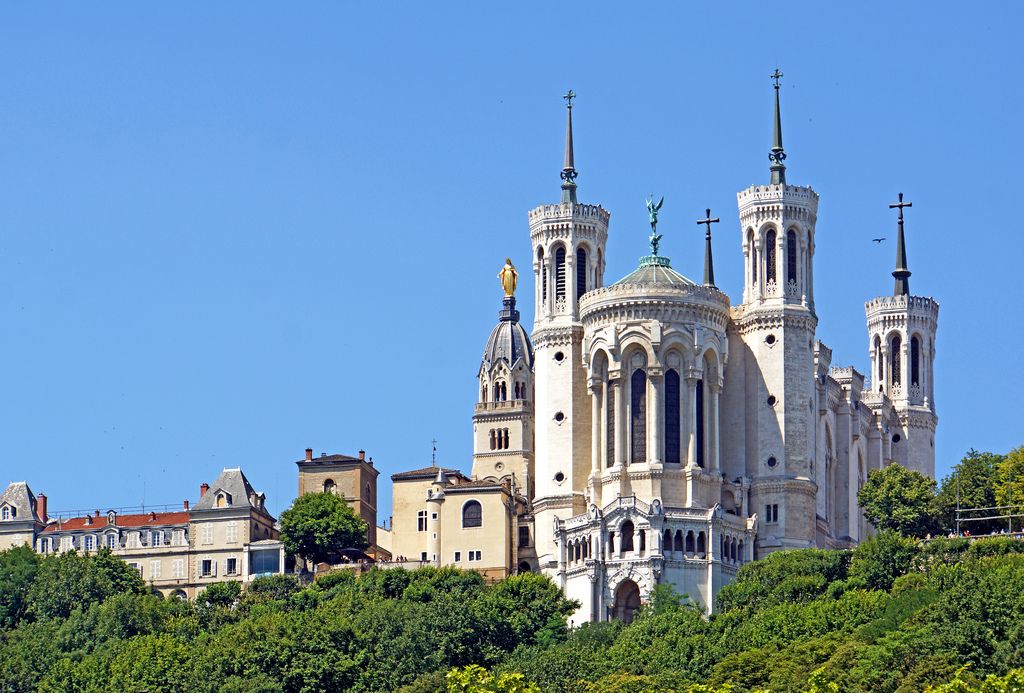
Lyon was born on the top of a hill called Fourvière. Today, on the site where the castle was built, there is the 19th-century basilica of Our Lady of Fourvière. Residents built it in gratitude for saving it from war and epidemics. On the hill you will also find the oldest theater in France with an original curtain lifting machine and remnants of a marble floor.
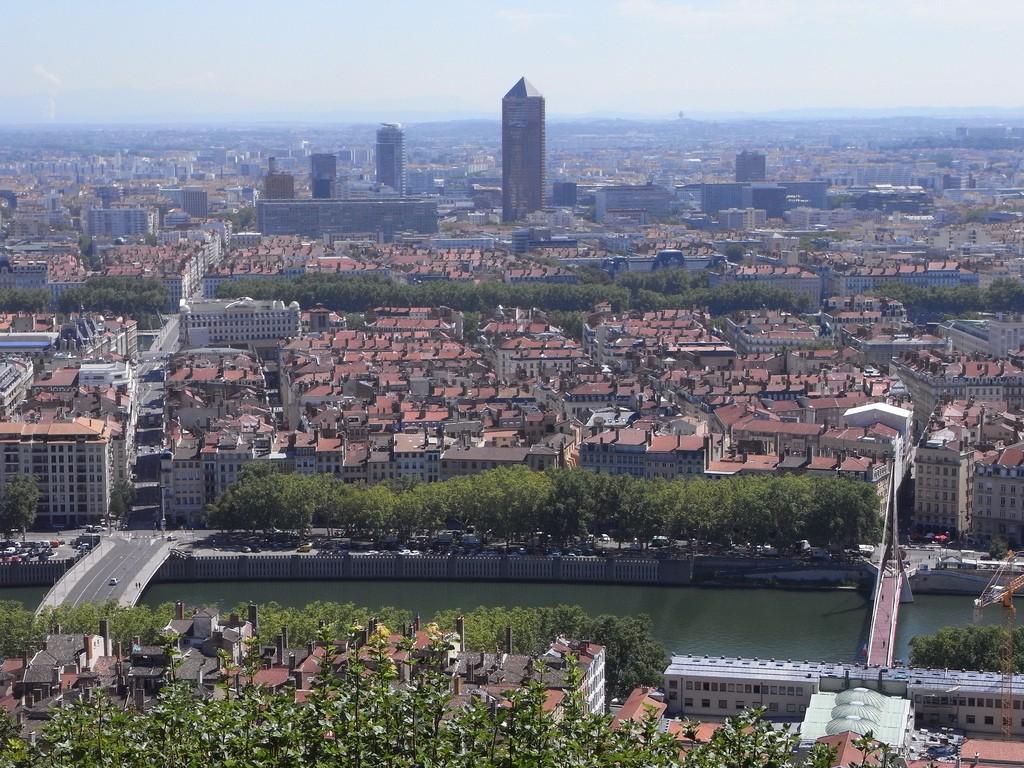
From the top of the hill there is a wonderful panorama of the city (in nice weather you can see Mont Blanc). The views can be admired from the Esplanade terrace , to which several long streets lead, including Montée Nicolas de Lange, composed of over 550 steps. We also get to the top by cable car (Vieux Lyon station). By the way, we will see the Cathedral of St. John with the famous timepiece striking the hour four times a day.
The top of Fourvière is crowned by the tower of the Basilica of Notre-Dame de Fourvière . Michael the Archangel watches the city from its dome, while the interior is decorated with stained glass and mosaics. The huge temple is visited by over 1.5 million people every year.
The beauty of Lyon
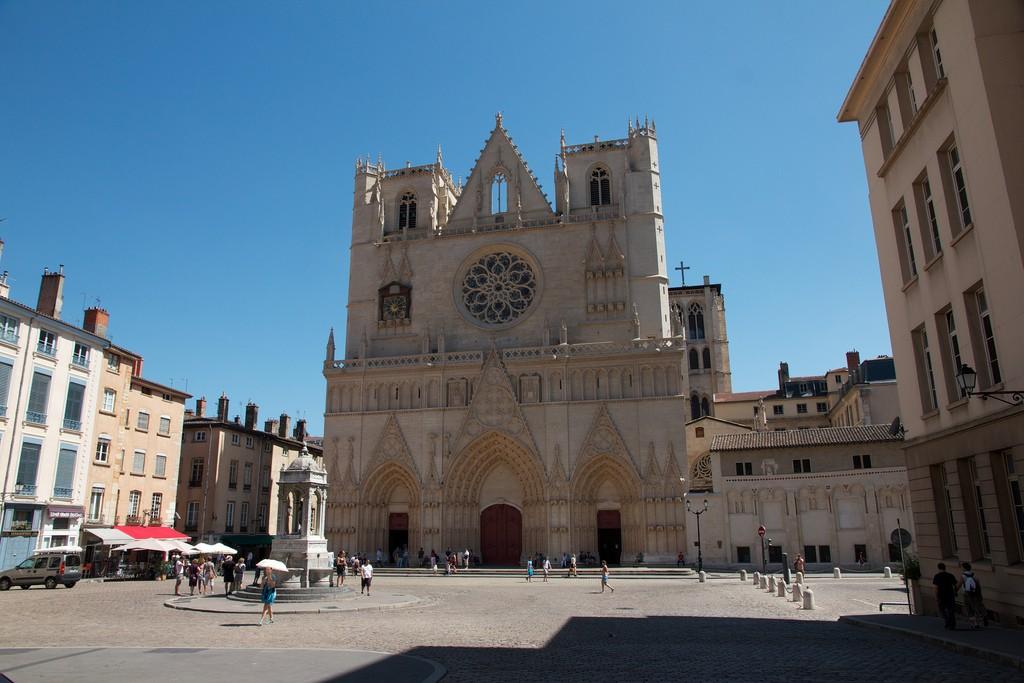
After descending the hill, it's time to visit the oldest part of Lyon. The local winding streets are adorned with magnificent courtyards, picturesque corridors, passages and narrow stairs. The pearl of old Lyon is the 400-year-old Saint-Jean-Baptiste Cathedral (Cathedral of St. John the Baptist). The impressive size of the temple houses the 14th-century astronomical clock, and the distinguishing feature of its altar are two crosses (a symbol of the Union of Churches).
The heart of the city is the peninsula which is the fruit of the passionate romance of the two rivers that met in this place - the Presqu'ile . It has been on the UNESCO World Heritage List since 1999. In its center is Place Bellecour, covered with red gravel, with two monuments: Louis XIV and Saint-Exupéry. It is one of the largest bright squares in Europe. It houses, among others Ferris wheel, and the main streets leading to it include Rue Victor Hugo and Rue de la République, which together form the longest promenade in Europe .
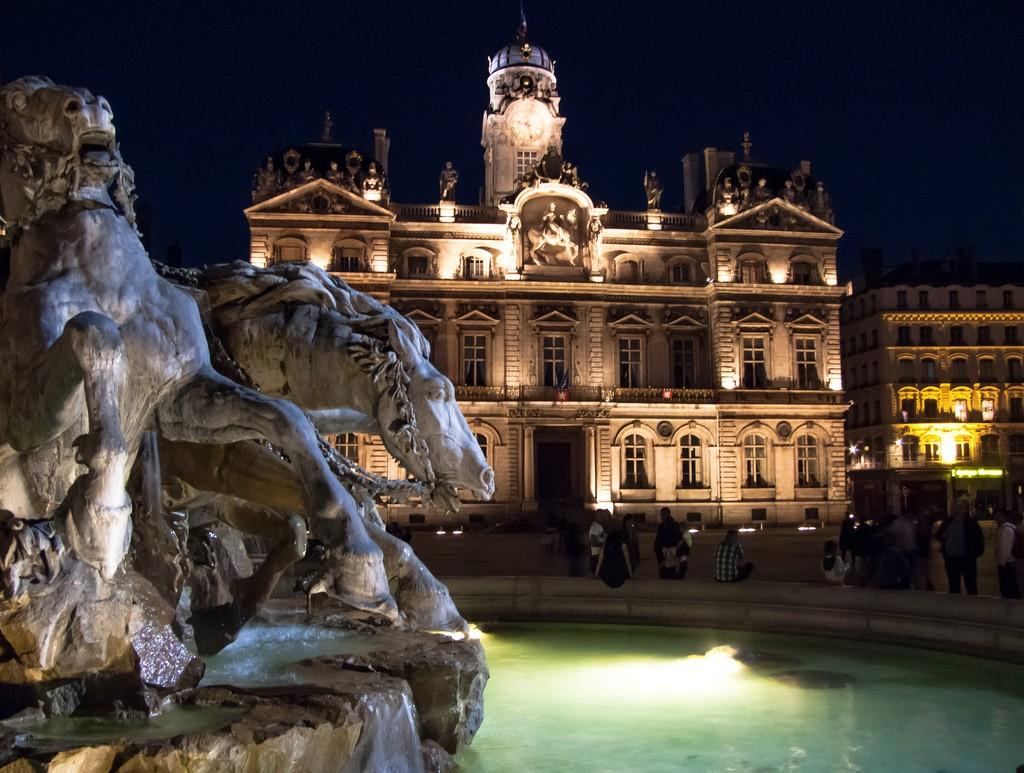
The most beautiful square in the district is undeniably Place des Terreaux . It is crowned with a wonderful fountain sculpture designed by the author of the New York Statue of Liberty, Frederic Auguste Bartholdi. The square is also decorated with the Renaissance town hall and the Palace of St. Peter, now the seat of the Museum of Fine Arts, known as the little Louvre.
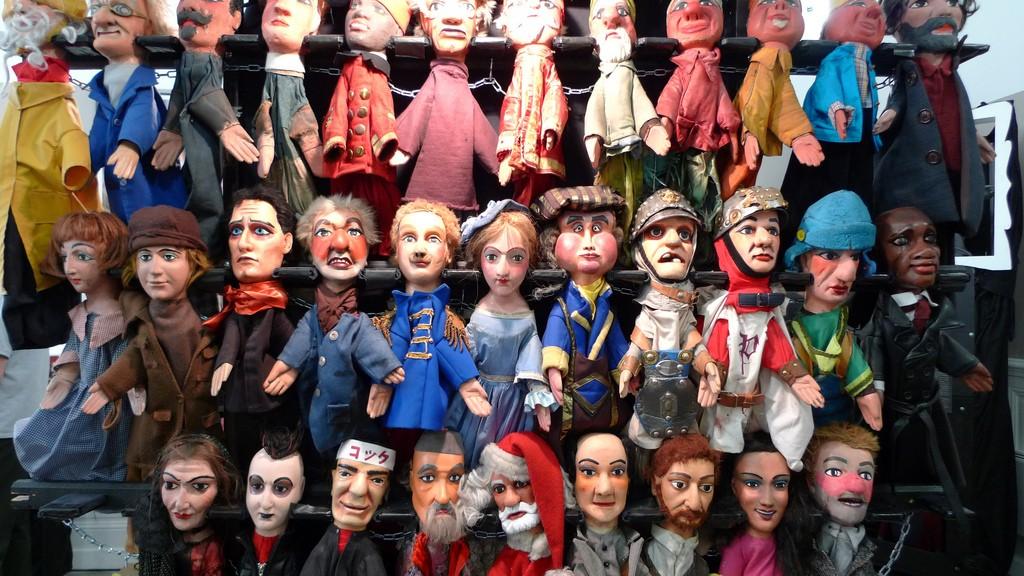
When visiting Lyon, be sure to visit the Lumiere Brothers Museum, located in the home of the father of the cinematograph inventors. Next to it is the Hangar of the First Film. A must-see is also the Puppet Museum, which houses the famous Guignol wooden puppet, the symbol of the city.
Overnight in a camper in Lyon
About 7 km from the center of Lyon lies the year-round Camping des Barolles . We will pay 20 euros for a stay of 2 people and a parking space for a motorhome. For the possibility of connecting electricity - 5 euros. There are plenty of restaurants and pubs in the area around the campsite. This is an intimate campsite run by the third generation of the Rivet family.
A visit to the oldest city in France, a city whose spirit lived in a wooden puppet over 200 years ago, will be remembered by every tourist. Regardless of whether you come here to discover exquisite seafood dishes, Gothic monuments or contemporary art collections.

A writer by profession, a passion of a cat. One day he will see what is behind the Urals - good to Vladivostok. So far, when he can, he enjoys the sun of the countries of southern Europe. And it's also fun;)