
This is what you need to know before buying your first trekking bike!
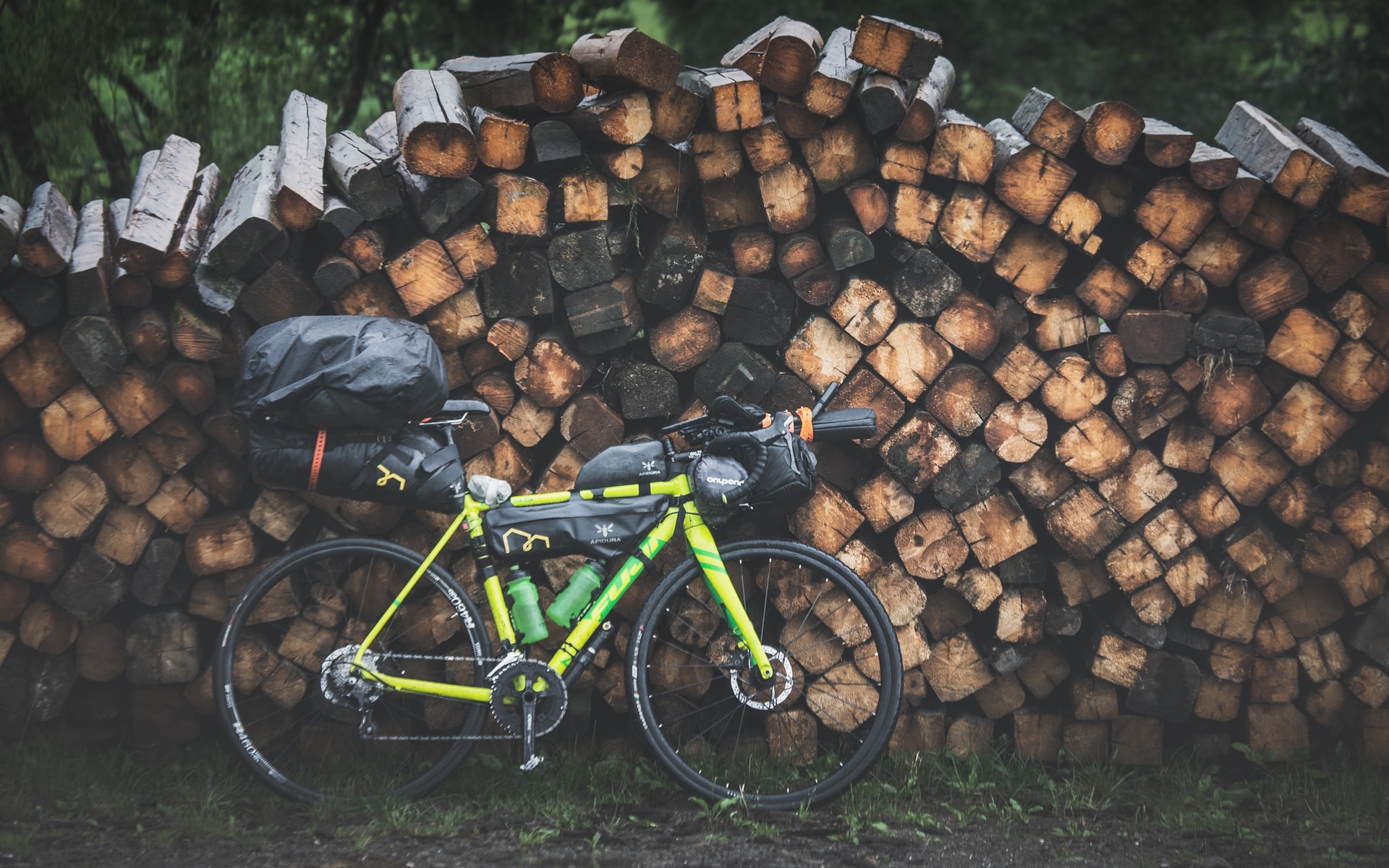
Cycling tourism is becoming more and more popular every year, so the interest in trekking bikes is also growing. Are you faced with choosing one of them? Then be sure to read our article and find out what to pay special attention to before purchasing!
Do you really need a trekking bike?
This is actually the most important question you should answer before purchasing. So, before you decide that trekking bikes are the right group of bikes for which you are looking for the first model, analyze what routes you most often intend to ride on.
Trekking bikes are best for long distances, especially on gravel roads or undemanding forest roads. However, nothing stops you from riding the same bike to work or to university or on city bike paths.
However, it should be remembered that the purpose of a trekking bike is to ride off-road. If you are planning such trips and multi-kilometer routes, a trekking model is definitely what you need.
The best trekking bikes - which ones?
When it comes to geometry, trekking bikes are similar in structure to city variants. However, they are additionally adapted to more demanding terrains, and at the same time contain many amenities that are especially useful during multi-day bicycle trips.
On gravel or forest roads, especially those with uphill sections, you will need a wide range of gear ratios. Why is the number of gears so important? Their proper setting will help you overcome even the most demanding hills with an additional load in the form of luggage. Therefore, make sure that the model you choose has at least 21 of them.
Brakes are equally important, as they ensure your safety during emergency situations on the road. Stopping exactly where you want to be most important is especially useful in the forest or on dirt roads, where encounters with wild animals are quite common. Here, V-brakes will be synonymous with reliability, which will work perfectly on both wet and sandy surfaces.
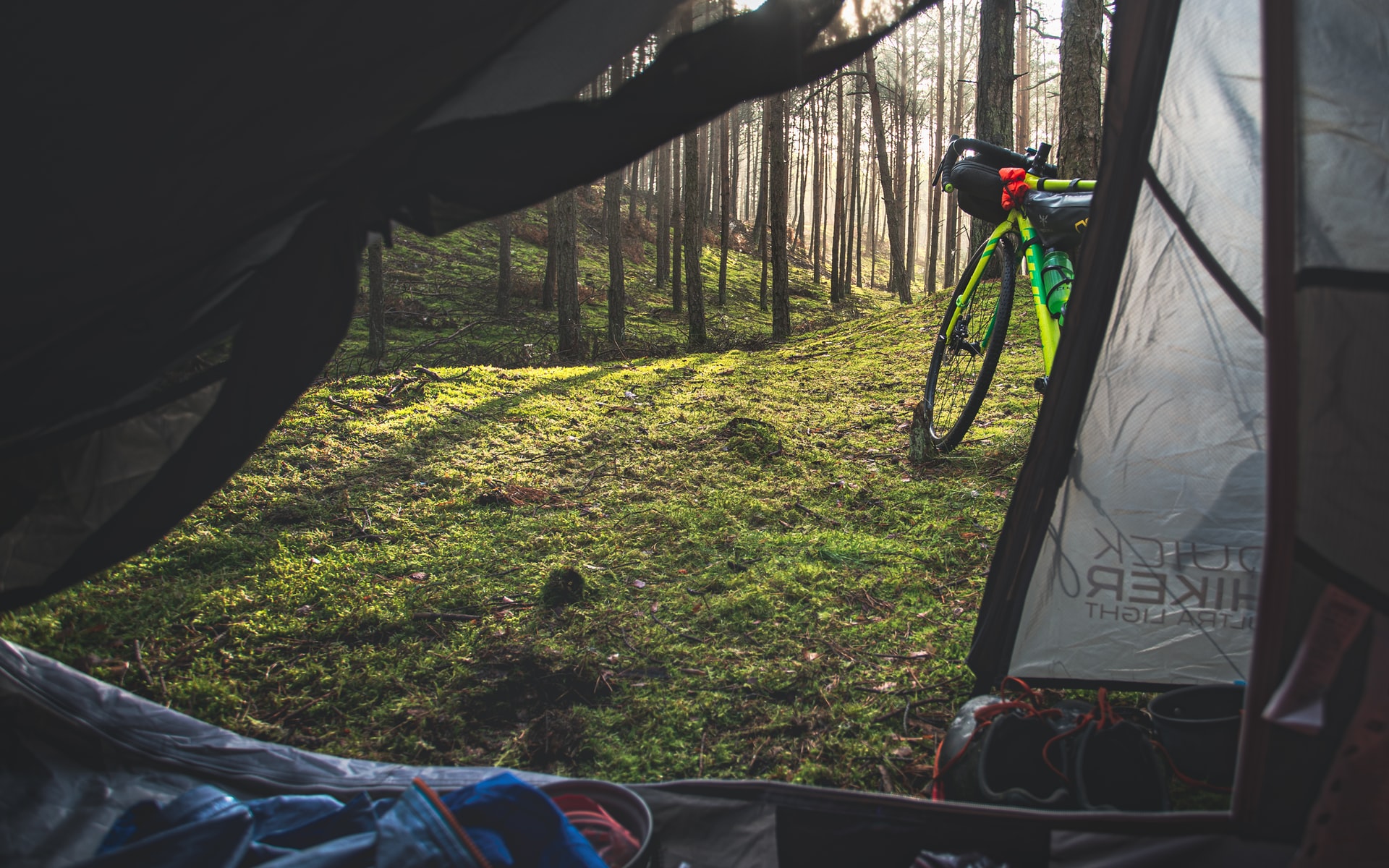
Additional items
On forest and field roads, especially after or during rain, every cyclist will probably appreciate mudguards - both front and rear. They will protect you against splashing mud and water, so you can freely drive through any large or small puddle without worrying about getting dirty.
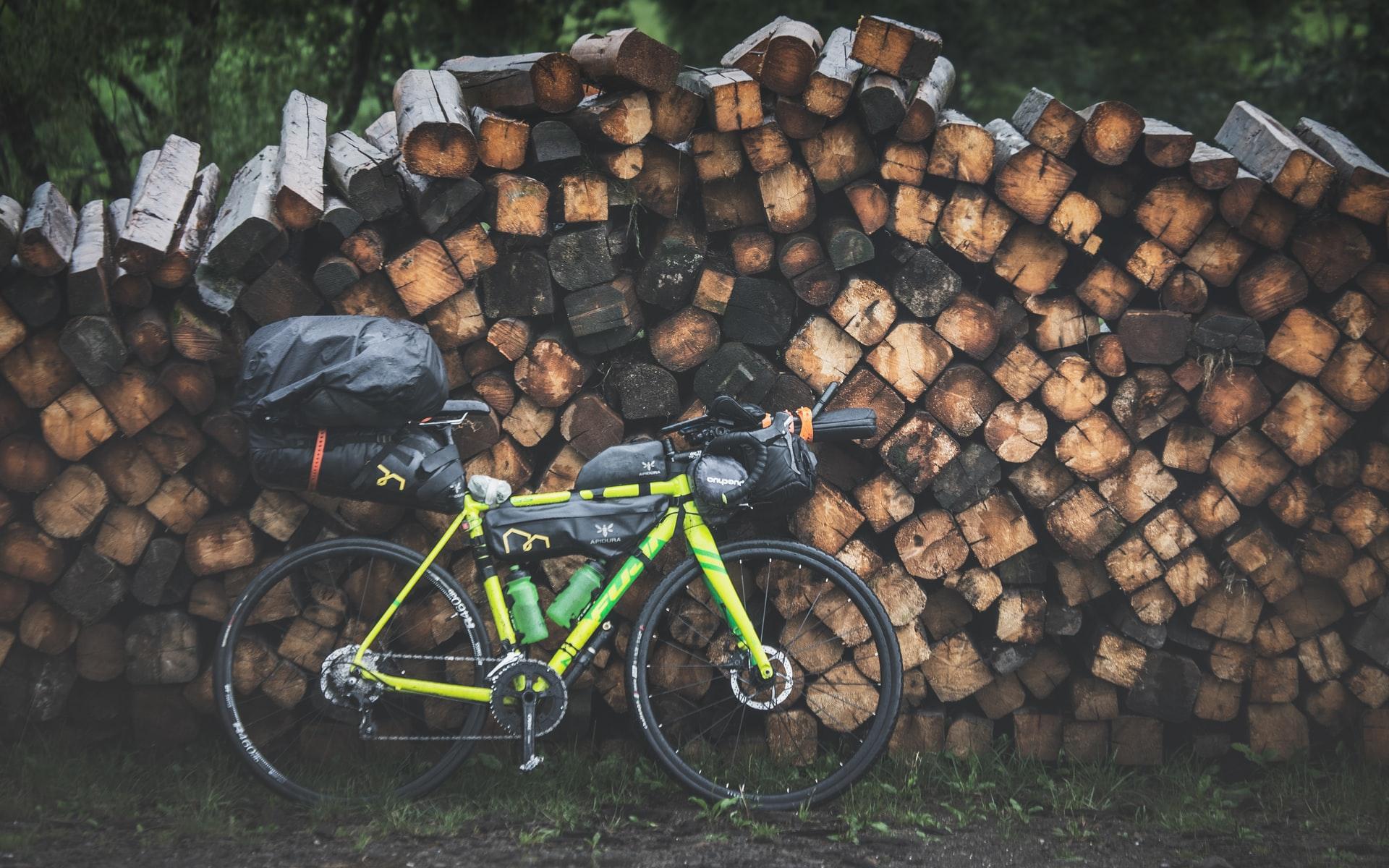
During long rides, you will also appreciate a solid rack (choose one with a load capacity of at least 25 kg). This is where you can successfully attach additional luggage and distribute its weight so that it does not disturb driving ergonomics.
Lighting (front and rear lamp) and reflective elements are also essential for a trekking bike. This way you will be more visible on the road after dark. This is especially important on roads outside urban areas, where there is virtually no street lighting.
Shock absorption in the front forks
The type of depreciation usually depends on the price range of the bike you choose. Cheaper versions have steel or oil spring shock absorbers. In the better ones, you will find oil-air shock absorbers. Of course, they provide the best protection against vibrations and terrain unevenness, but at the same time they require regular servicing.
A properly selected trekking bike will serve you reliably for several seasons, and as you gain experience, you can successfully replace some of its components to make your off-road riding even easier.
gallery

We have created the CampRest portal for people who value freedom and travel on their own.