
Travelling by car with a caravan or campervan – technical requirements, tow ball load and total weight
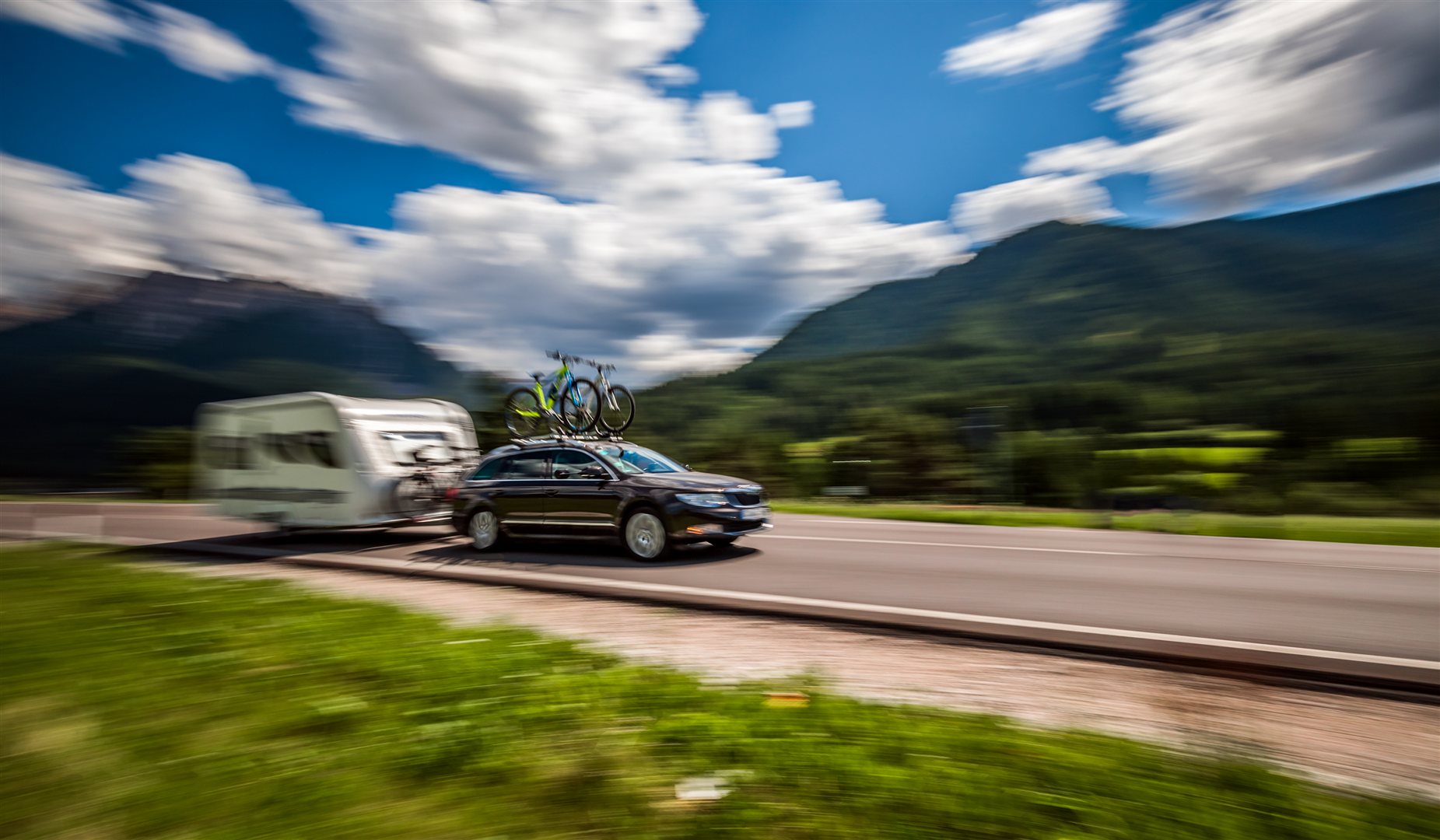
Traveling with a trailer or camper offers independence, but requires good technical preparation. Before setting off, you should carefully check your vehicle's parameters and the permissible weight limits listed in your registration document. Exceeding these limits can result in suspension damage, unsafe cornering, and hefty fines. Correctly selecting the correct tow ball weight and adhering to regulations saves money and ensures a smooth journey every step of the way.
What technical parameters should you check before setting off with a trailer?
Before connecting the towing kit, you must check the information in the towing vehicle's registration certificate. The most important information is found in sections O.1 and O.2, which specify the maximum towable weight of the trailer, both braked and unbraked. An equally important indicator is the permissible tow ball load , indicated by the letter S on the vehicle's identification plate or in the vehicle documents. Excessive tow ball load places a significant strain on the rear axle, lifts the front of the vehicle, and drastically reduces the traction of the steering wheels.
In addition to a functioning towbar and checking the weights in the paperwork, you should also consider protecting your equipment against unforeseen incidents along the way. Road collisions, bumps in tight campsites, or damage while maneuvering can quickly generate high repair bills. A well-chosen insurance policy can cover costs in certain challenging road situations. It's worth considering trailer insurance , which will save you financial trouble in the event of damage to the body or drive components. This type of coverage is especially useful if you frequently maneuver in tight campsites.
Why do gross vehicle weight and towbar load determine safety?
Every driver planning a camping trip must pay attention to the Gross Vehicle Weight (GVM) parameter, which appears in box F of the vehicle registration certificate. For a standard category B driving license, the combined Gross Vehicle Weight (GVM) of the vehicle and trailer, or the campervan alone, cannot exceed 3,500 kg. If you choose a heavier camper with a GVM exceeding 3.5 tons, Polish law requires a Category C license. However, for a heavier car and trailer combination, you will need to obtain a B96 code or pass a category B+E driving test. It's also worth remembering that driving a motor vehicle without the required license is punishable by a fine ranging from 1,500 to 30,000 PLN; the case may also be brought to court, and a driving ban is mandatory. The ban lasts from 6 months to 3 years.
Before setting off on your first long trip, spend some time practicing maneuvers and getting a feel for the dimensions in an empty space. It's best to base your assessment of requirements on reliable sources of advice, such as insurance websites. As Warta points out in its guides on choosing a campervan, the most important thing is to match the vehicle's size to the number of passengers. For four or more people, a vehicle at least 7.2 meters long is best, while for two people, a smaller unit will suffice.
How to choose the perfect camping vehicle for your holiday trip?
Choosing the right touring car directly impacts traveler comfort and ongoing expenses. If you plan to drive on gravel roads or mountainous terrain, four-wheel drive will be a useful option. You should also consider rental costs, which during the holiday season can average 400-500 PLN per day. Add to this are service fees, mileage limits, and a refundable security deposit, typically amounting to several thousand PLN.
After calculating the estimated costs of the vehicle and fuel, it's worth checking auto insurance rates. Use the calculator to calculate your third-party liability and comprehensive insurance premiums , which will help you plan your full trip budget. Good insurance reduces the financial risk associated with collisions or windshield and tire damage on rocky roads. Once the insurance formalities are completed, you can confidently move on to gathering your equipment and preparing the route itself.

What should you pack into a mobile home to prevent overloading?
Packing a trailer or campervan requires constant weight monitoring to ensure you don't exceed the weight listed in your documents. Instead of packing everything, make a thoughtful equipment list and estimate the approximate weight of your load. It's worth stocking up on food for the first few days of your trip, which saves you from searching for open stores after hours of driving. If you're using a rental car, first ask the owner what the basic equipment includes. To make packing easier, divide your items into specific categories:
- Tools and accessories – power cables, electrical adapters, extension cord, leveling ramps, water hose, repair tape and a set of basic wrenches.
- Clothing and textiles – clothes for warm and cold days, waterproof jackets, bedding, sheets and quick-drying towels.
- Camping and kitchen equipment – folding table, chairs, unbreakable plates, cups, pots, frying pan and cutlery.
- Hygiene products and chemicals – chemical toilet fluids, special toilet paper, biodegradable dishwashing detergents and soap.
- Recreational accessories – books, board games, bicycles, beach equipment or fishing rods tailored to the destination.
When arranging all your belongings inside your vehicle, the most important rule is maintaining a proper center of gravity. Place the heaviest items, such as water packs or heavy equipment, close to the floor, preferably directly over the vehicle's centerline. Placing heavy bags in overhead cabinets reduces the vehicle's stability on turns and increases the risk of equipment tipping over. Cabinet latches and locks protect against furniture damage, and you should check these before setting off.
How to plan your route and take care of the formalities?
Driving a campervan requires planning your route in advance due to entry restrictions for wide or tall vehicles. It's worth reserving sites at popular campsites in advance, as vacant pitches fill up quickly during the summer season. If you're interested in further tourism, a popular destination is Albania , where beautiful views await, as well as mountainous stretches of road. Before crossing the border, check local regulations regarding overnight stays outside designated areas. Compliance with foreign regulations protects you from various fines from the local police.

We have created the CampRest portal for people who value freedom and travel on their own.