
What types of motorhomes are there?
Traveling by campervan is all about freedom, independence, and the ability to discover the world at your own pace. There's no need to pack bags every day, change hotels, or stick to a rigidly planned route. Simply hit the road with everything you need for a comfortable journey.
However, not every camper is suitable for every traveler . A couple planning a multi-week trip across Europe will need a different vehicle, a family with two children, and someone embarking on a more challenging expedition still needs a different one. Therefore, before purchasing or renting, it's worth understanding the available camper types, their advantages, disadvantages, and differences in design.
The market offers compact campervans, spacious campervans with alcoves, semi-integrated campers, and luxury integrated campers. Individual models differ not only in size but also in interior layout, number of sleeping places, equipment, and driving comfort.
Wondering which camper to choose? In this article, we present the most popular types of campers, explain their differences, and suggest who each design is best for.
If you'd like to experience campervan travel in action, renting one is a good place to start. Our database features professional campervan rental companies from various regions of Poland and Europe. You can also browse available campervans for rent and choose the vehicle best suited to your needs.
What is worth knowing before choosing a camper?
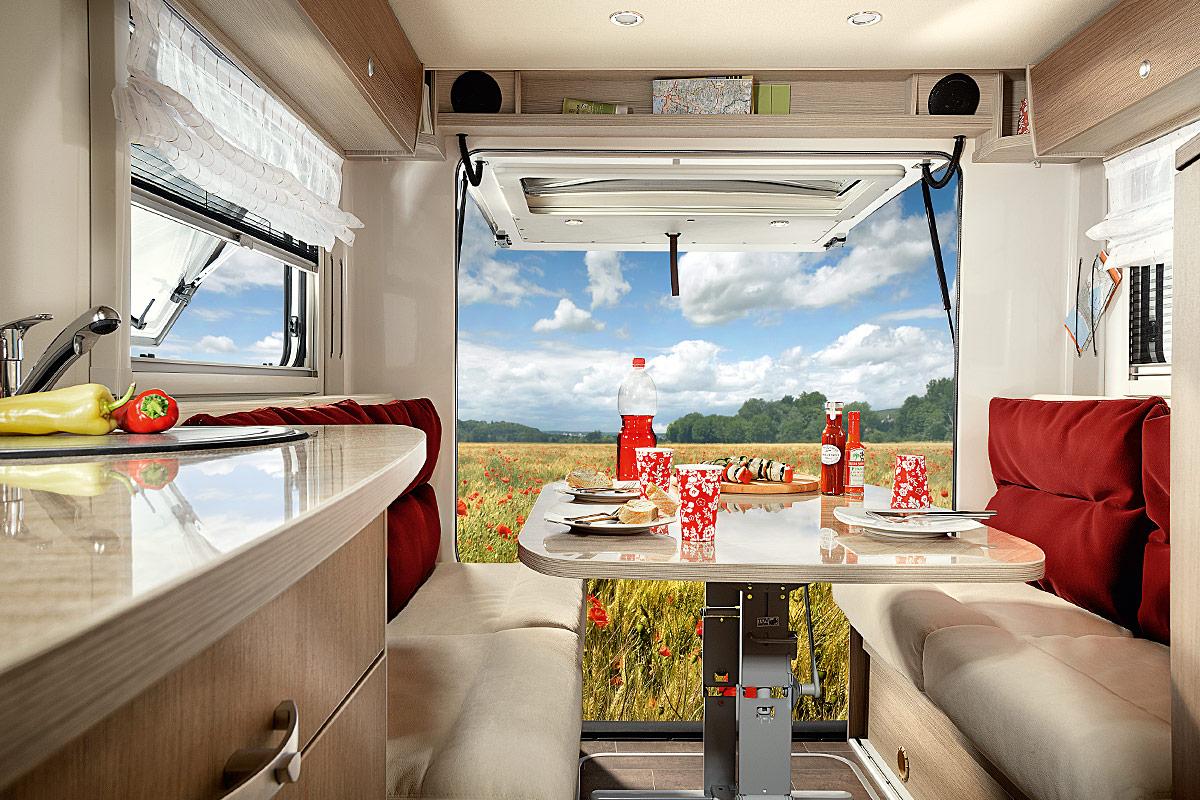
A campervan is a vehicle designed for both travel and living. Depending on the type and size, it may offer comfortable beds, a kitchenette with a refrigerator and stove, a bathroom with a toilet and shower, a relaxation area, and storage spaces for luggage and camping equipment.
Many popular campervans have a gross vehicle weight (GVM) of up to 3.5 tonnes , allowing them to be driven with a category B driving licence. However, there are also larger and heavier vehicles available on the market that require additional driving licences.
When choosing a campervan, it's worth considering not only its size and features, but also the number of approved driving and sleeping spaces, load capacity, and interior layout. These elements largely determine the comfort of everyday travel.
What types of campers are the most popular and how do they differ?
Motorhomes
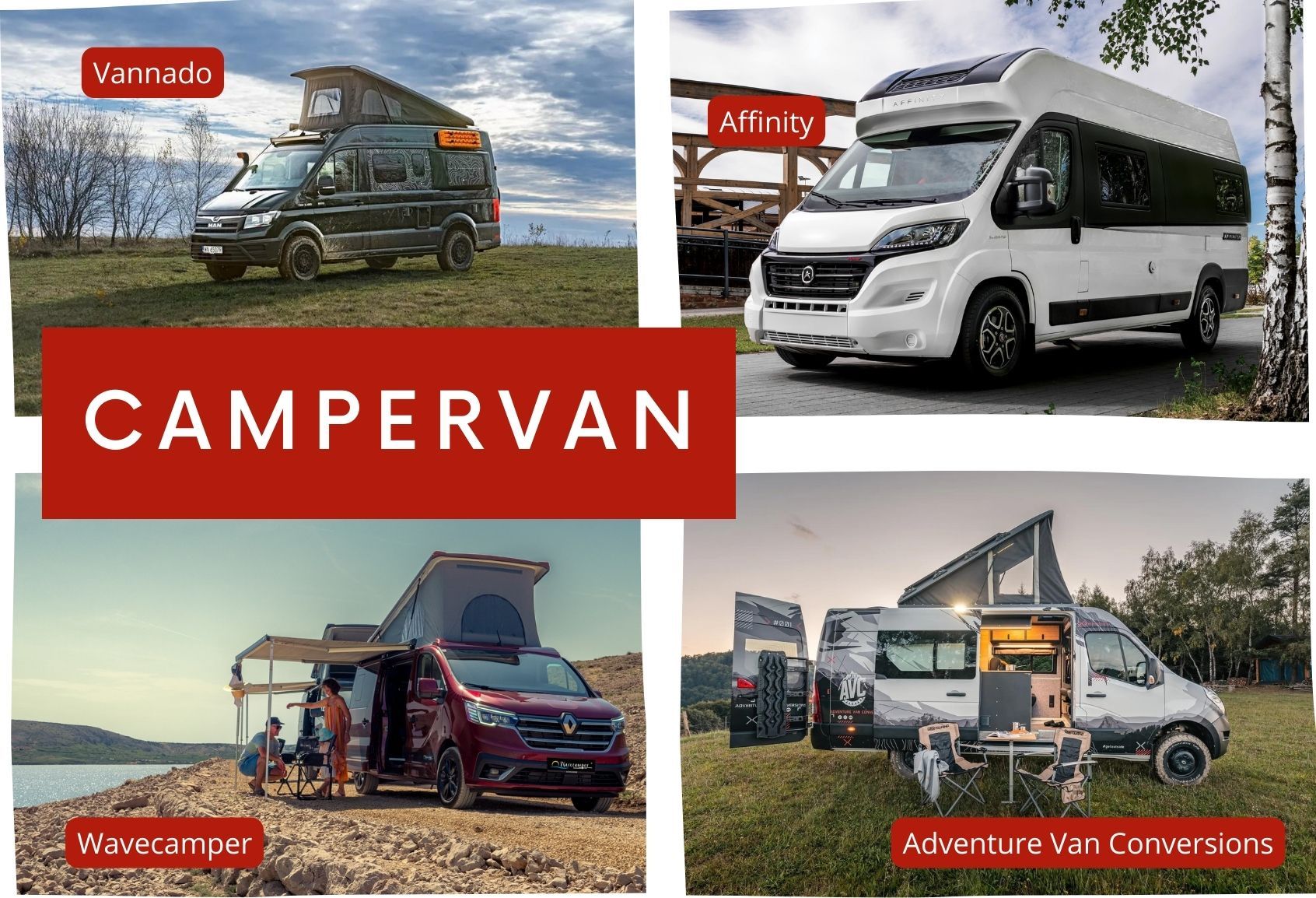
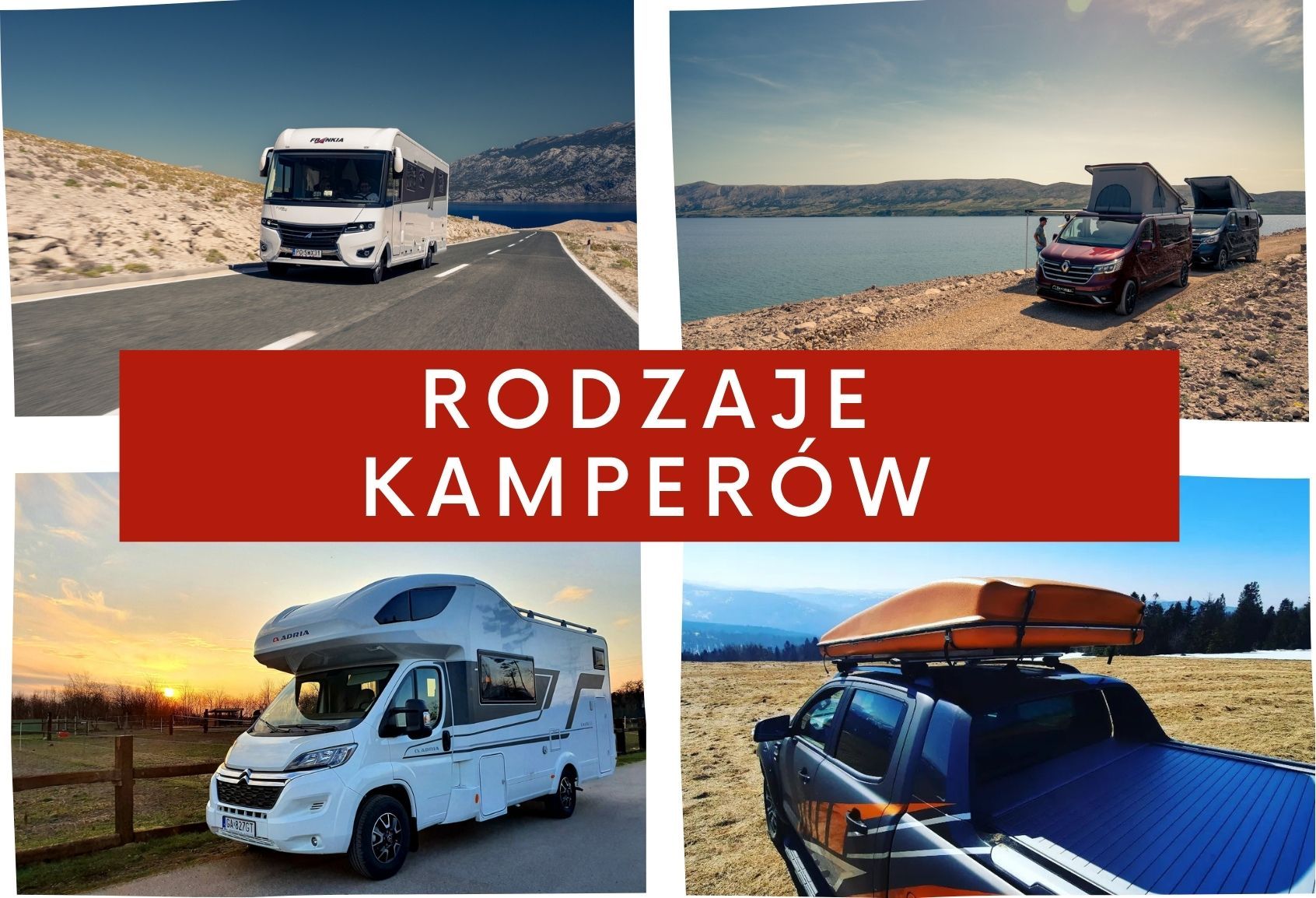
We are increasingly seeing smaller campers on the road, based on a suitably adapted, mass-produced shared bus, the so-called. They can be divided into two types:
- Mini campers manufactured on chassis of brands such as Renault Trafic, Volkswagen T5, T6, etc.
- Campers manufactured on larger chassis such as Fiat Ducato, Mercedes Sprinter, Volkswagen LT, Crafter, etc.
The advantage of such vehicles, besides lower fuel consumption and higher speeds, is the ability to access places inaccessible due to the dimensions of larger campers and the possibility of overnight parking in areas where standard campers are prohibited. The disadvantage, unfortunately, is less space for luggage, sleeping, and resting. However, if there are just two of us traveling in such a vehicle, this should be sufficient.
In our database of campers for rent and purchase you will find CAMPERVAN campers
Campers with alcoves
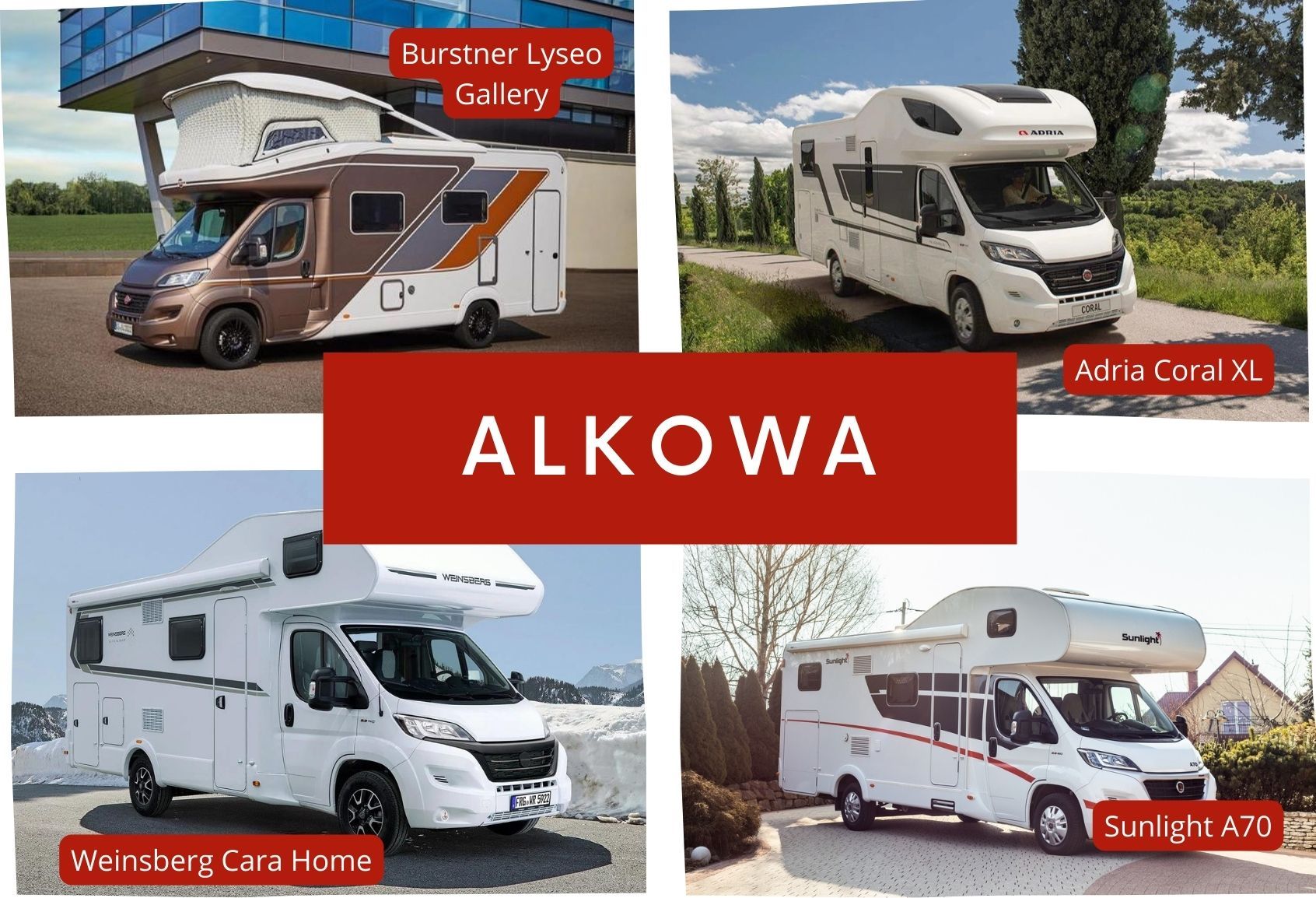
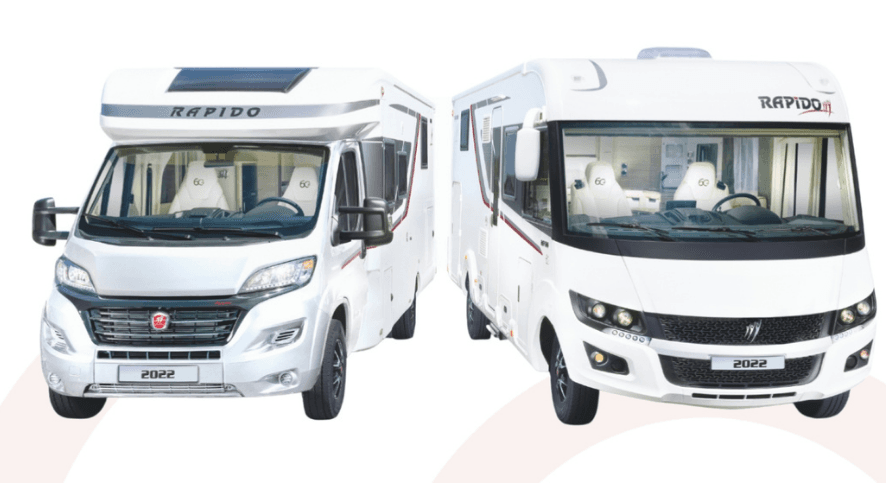
Alcove campers are one of the most recognizable types of campervans, particularly popular among families with children. Their distinctive feature is a superstructure above the driver's cabin, which houses an additional bed, usually a double bed. This solution allows for more sleeping space without having to convert the living area into a bedroom every day.
The biggest advantage of alcove campers is the large number of sleeping spaces. Depending on the model, they can accommodate up to 6-7 people, making them a popular choice for larger families and camper rental companies. In addition to the bed in the alcove, these vehicles have additional beds in the rear and the option of a fold-out bed in the living room. The spacious living room and high ceiling create the impression of a vast space.
The alcove itself provides a comfortable, wide sleeping area, especially beloved by children. During the day, it can also be used as additional storage space for lightweight items, provided they are properly secured before the journey.
However, alcove campers also have their drawbacks. Their distinctive superstructure increases the vehicle's height and air resistance, which translates into higher fuel consumption compared to more aerodynamic semi-integrated campers. The increased height can also make it difficult to navigate under low viaducts or under tree branches. Some people may also find it inconvenient to climb up a ladder to the alcove bed.
Despite these limitations, campervans with an alcove remain one of the most practical solutions for families who value, above all, a large number of sleeping places and comfortable travel in a larger group.
Semi-integrated campers
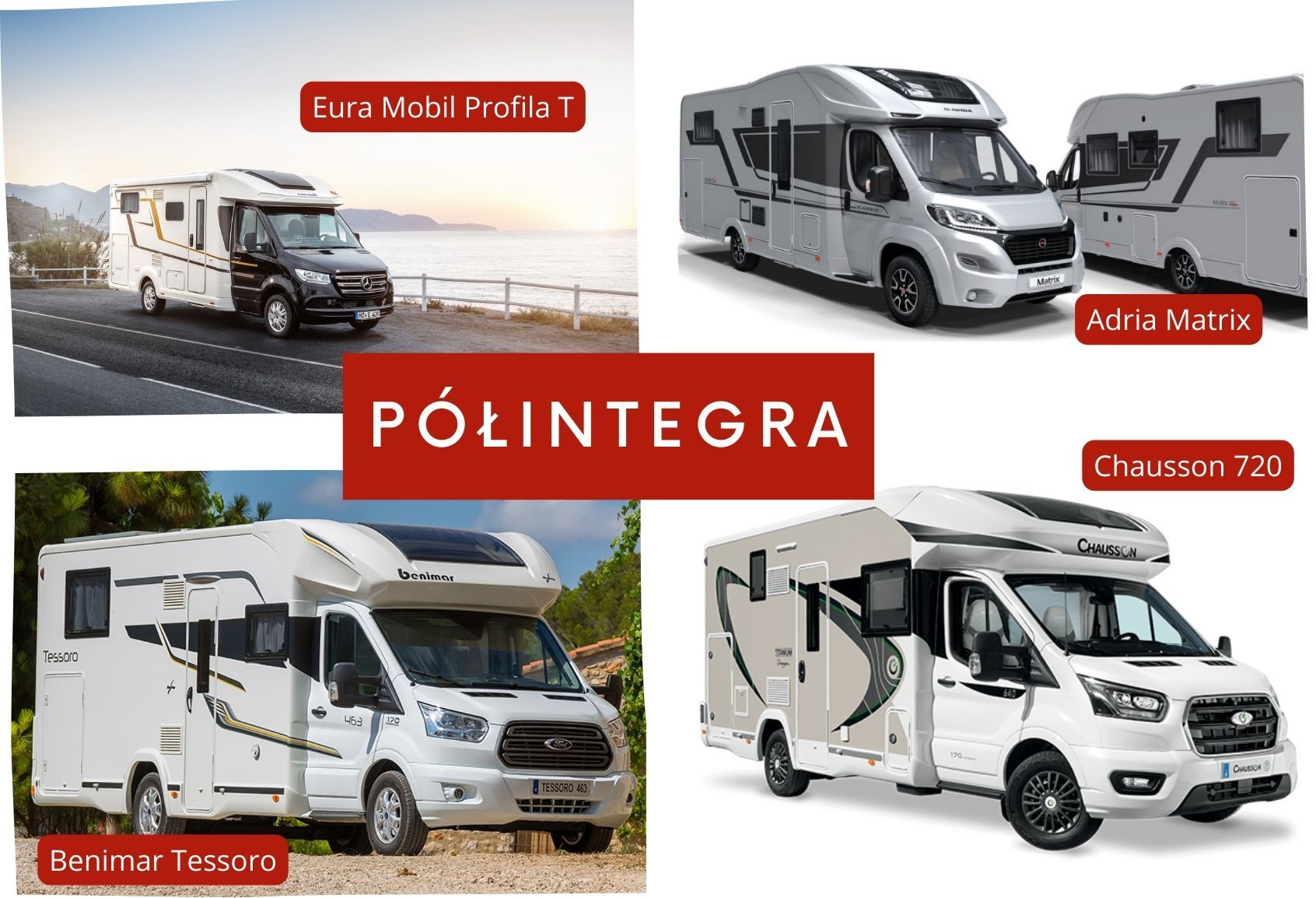
Semi-integrated campers, also known as semi-integrated campers, are one of the most popular types of campervans on the European market. Their design is based on a factory-built driver's cab, to which a living area is attached. Unlike alcove campers, they lack the characteristic superstructure with a bed above the cab, resulting in a lower and more aerodynamic silhouette.
One of the greatest advantages of semi-integrated campers is the good compromise between travel comfort, living space, and fuel consumption. The streamlined body shape reduces air resistance, which typically translates to lower fuel consumption compared to campers with an alcove. The vehicle's reduced height also facilitates maneuvering and driving under low-hanging branches.
Depending on the interior layout, semi-integrated campers can offer anywhere from two to as many as five sleeping spaces. Most often, they feature a double bed or two single beds in the rear of the vehicle. Many models also feature an additional bed that drops down from the ceiling above the living area , allowing for increased sleeping capacity without having to fold out the table and sofas daily.
However, semi-integrated campers also have certain limitations. Compared to alcoves, they typically offer fewer permanent sleeping areas, and the drop-down bed can limit the usability of the living area when extended. Some models also offer less space for larger families.
Who is a semi-integrated camper best for? They're a great choice, especially for couples and families with one or two children looking for a comfortable camper for longer trips. Semi-integrated campers are perfect for both summer vacations and multi-week trips across Europe.
You can find semi-integrated campervans in our campervan finder.
Integrated campers
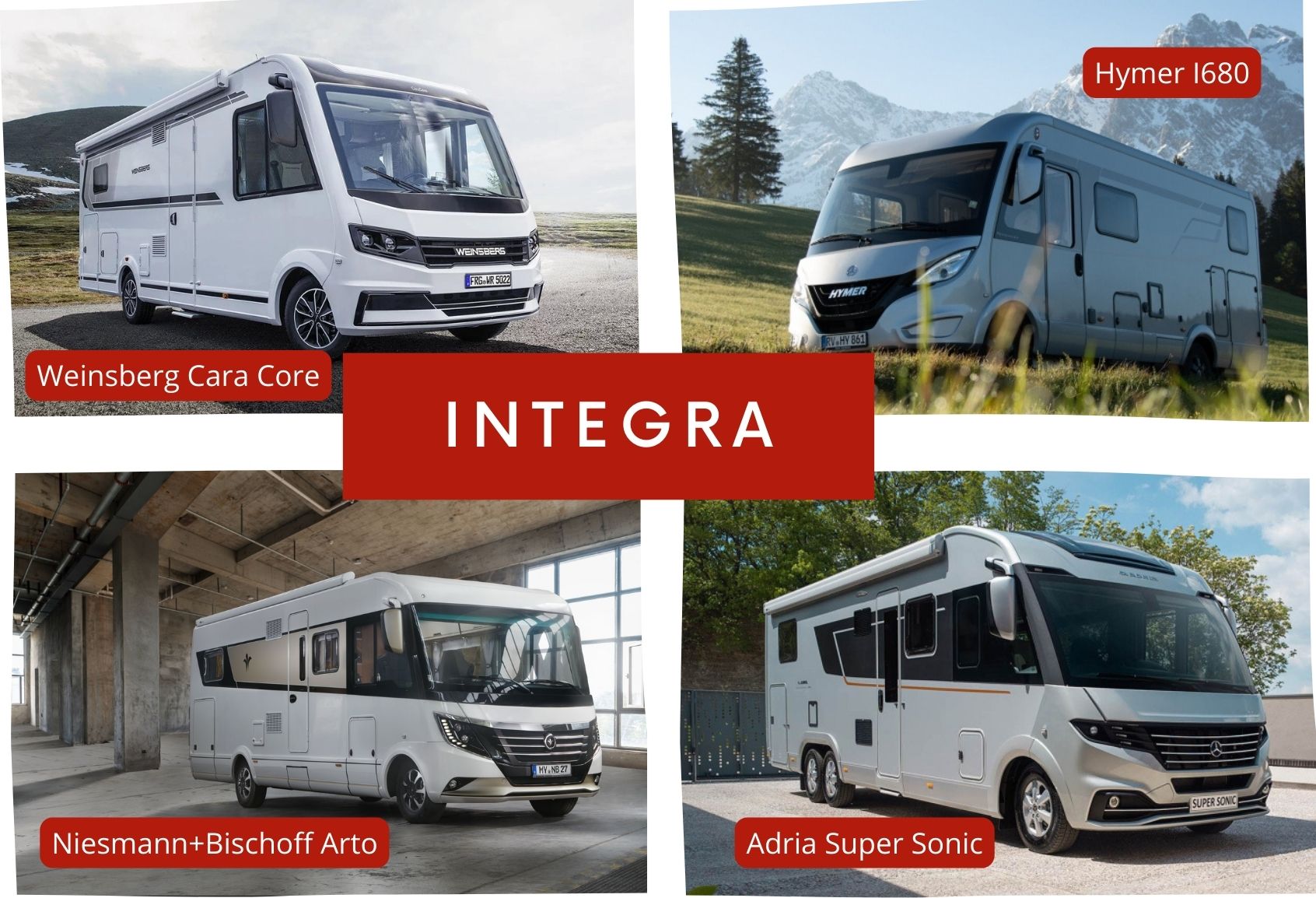
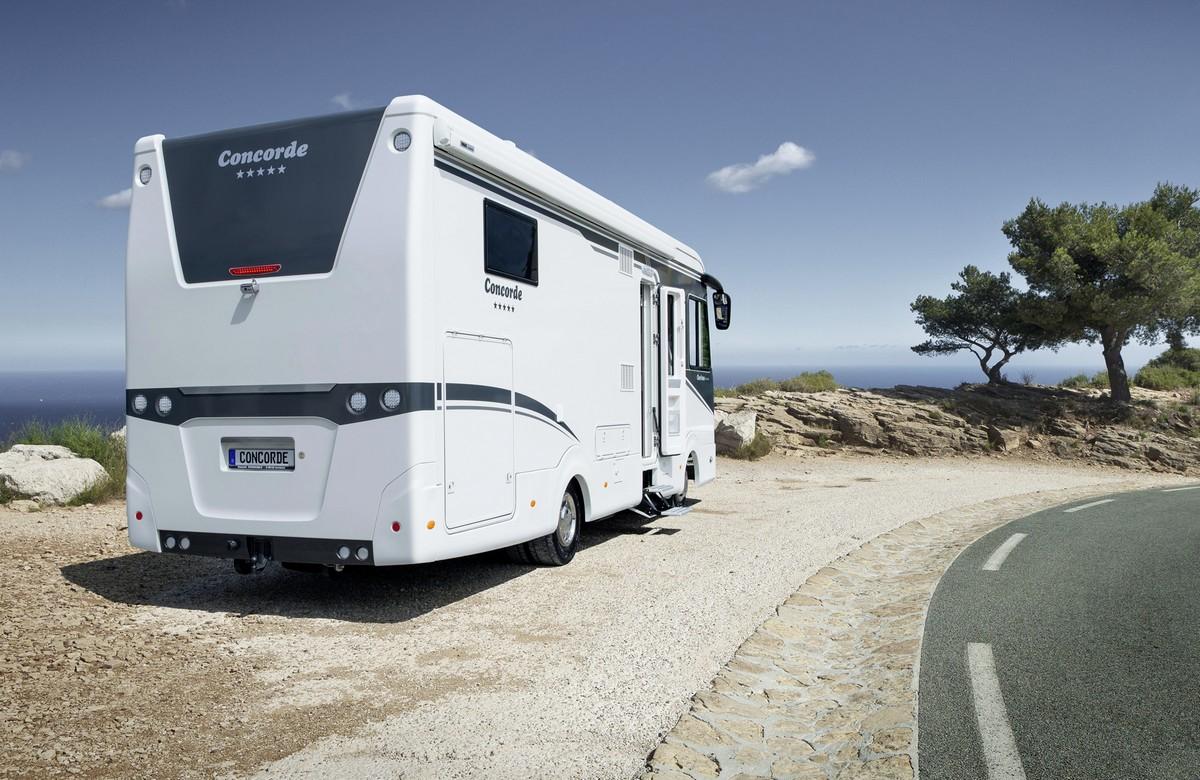
Integrated campers, also known as integrals, are distinguished by their unified body structure, in which the driver's cab is an integral part of the living space. Unlike semi-integrated campers, they do not utilize the factory cab of a commercial vehicle. The body manufacturer designs the entire front section of the vehicle, allowing for much better utilization of the available space.
The biggest advantage of integrated campers is their spacious and comfortable interior. The wide driver's cabin seamlessly connects with the living area, and the large panoramic windshield provides excellent visibility and a sense of space. The swivel driver and passenger seats become part of the living area, creating a comfortable space for relaxing together.
Many integral vans are equipped with an additional bed that drops down above the driver's cabin and remains hidden under the ceiling during the day. This allows even relatively compact models to offer four comfortable sleeping spaces without having to fold out the sofas in the living area.
What is unique in many integrated cars is the way the front bed can be lowered - when it is lowered for sleeping, you can still use the living room because the bed reaches up to the windshield.
Integrated campervans are often associated with the premium segment , although more affordable models are also available. Manufacturers such as Niesmann+Bischoff and Concorde offer luxurious integrated campervans equipped with advanced heating systems, extensive electrical installations, spacious bathrooms with large water and waste tanks, and high-quality finishing materials. In the most exclusive models, customers can also significantly customize the vehicle's equipment to suit their needs.
Integrated campers, however, have their drawbacks. Primarily, they are usually more expensive than comparable semi-integrated campers. Their design can also generate higher repair costs, especially in the event of damage to the panoramic windshield or bodywork components. Furthermore, integrated campers often have a higher tare weight, which in models with a gross vehicle weight of 3.5 tons can limit available payload.
For larger and more generously equipped models, it's worth considering a vehicle with a GVM exceeding 3.5 tons. This allows for the ability to transport more equipment, but also requires a suitable driving license category.
Who is the best fit for an integrated camper? It's the perfect solution for those who value space, convenience, and a high level of travel comfort. Integrals are particularly well-suited for long trips, as well as for those who spend several months a year in their camper or consider it a second home.
If you are wondering what type of camper is right for you, in the article " Buying your first camper - a set of questions before buying " we have collected some questions to help you make a decision.
Pickup campers - residential buildings
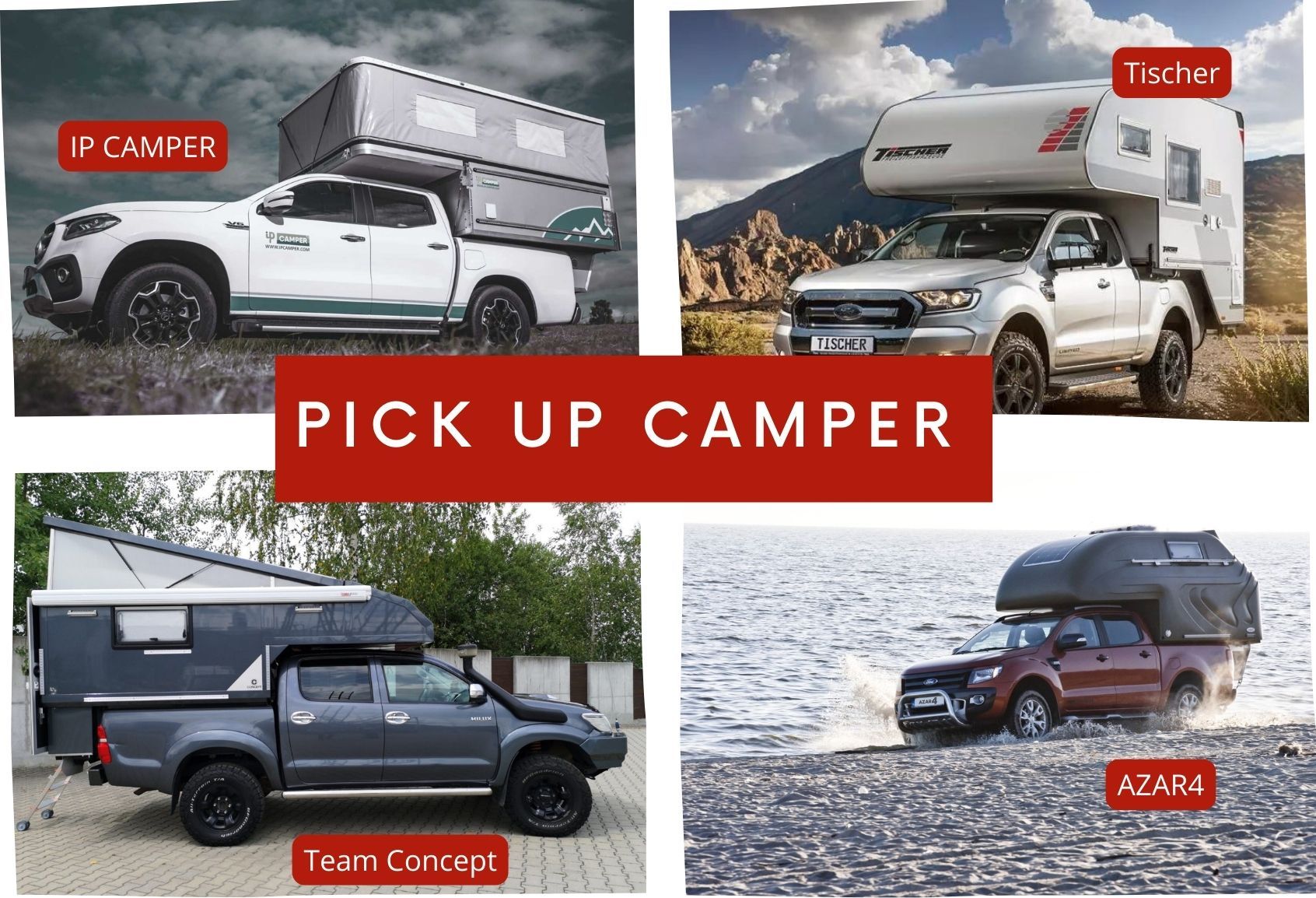
Pickup truck-mounted campervans are an interesting solution for those who enjoy traveling off the beaten track and reaching places difficult for traditional campers. They are mounted in the cargo area of a pickup truck, creating a compact campervan that combines the capabilities of an off-road vehicle with basic living amenities.
The biggest advantage of this solution is its mobility and the ability to travel over more challenging terrain. Equipped with 4x4 drive and appropriate tires, a pickup truck can tackle routes that would be inaccessible to most conventional campers. Many of the structures can also be removed, allowing the vehicle to be used on a daily basis.
Depending on the model, the conversion can offer a comfortable sleeping area, a small kitchenette, a refrigerator, heating, and even a toilet and shower. The market offers both rigid roof conversions , which are ready to use immediately after parking, and models with a pop-up roof , which, when folded, have a lower height and create less air resistance while driving.
However, pickup truck conversions have their limitations. Living space is typically much smaller than in traditional campers, and using a kitchen or bathroom may require some compromises. It's also crucial to properly match the weight of the conversion to the pickup's payload capacity, as richly equipped structures can be very heavy.
Who is the best campervan for? This solution is primarily for couples and solo travelers who value independence, the ability to stay overnight away from popular campgrounds, and explore less accessible places. It's especially useful for off-road trips and overlanding.
American RV
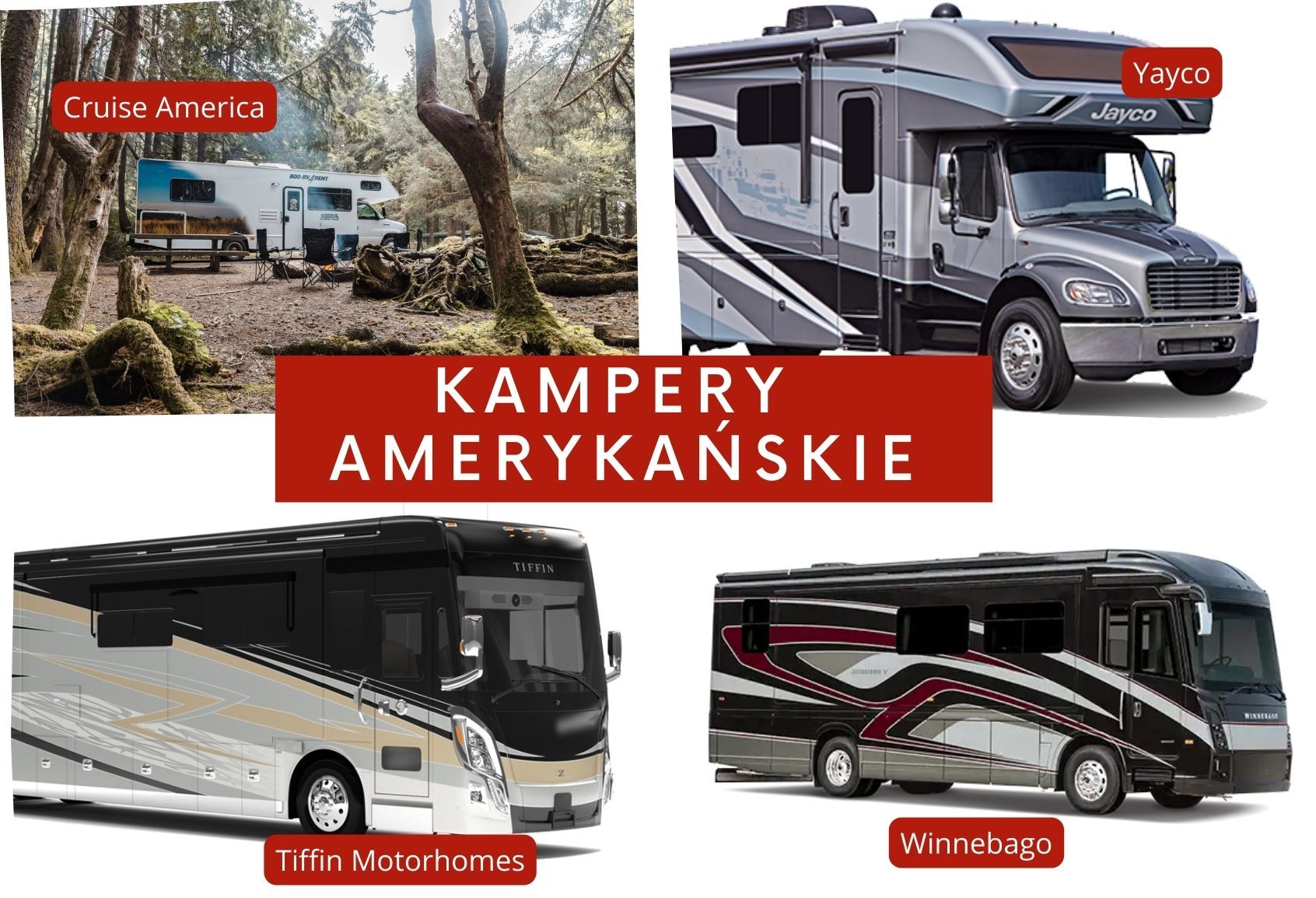
American campers are distinguished primarily by their spacious interiors, rich equipment, and solutions focused on travel comfort. Although they are often associated with enormous houses on wheels, in reality, American roads feature both compact vehicles and luxurious campers resembling the size of coaches.
One of the greatest advantages of American campers is their comfortable living space. Many models are equipped with spacious kitchens with large refrigerators, gas stoves with ovens, roof-mounted air conditioning, power generators, and comfortable beds. Another distinctive feature is the slide-out system, which allows sections of the structure to be pulled out when parked, significantly increasing the space inside the vehicle.
American campers often have automatic transmissions, gasoline engines, and extensive water and electrical systems. This makes them ideal for long trips, especially if you plan to travel long distances and stay at campsites equipped with water, electricity, and sewer connections.
However, US-made campers have their limitations. They typically consume more fuel than their European counterparts, and the greater width and length of some models can make navigating narrow roads or small campsites difficult. Therefore, it's best to explore their capabilities while traveling in North America, where the tourism infrastructure is well-suited to such vehicles.
Who is the best American camper for? It's a great solution for families and individuals who want to travel comfortably over long distances without sacrificing the comforts of home. Renting a camper in the US or Canada allows you to combine the comfort of travel with the independence and opportunity to explore national parks, big cities, and less-traveled corners of the continent.
If you dream of such a trip, check out USAkamperem.pl . We help you rent campers in the US and Canada, working directly with the largest rental companies. On our website, you can compare available models, check current prices, and book a camper for your American adventure.


We have created the CampRest portal for people who value freedom and travel on their own.