
Gate to Milan - Bergamo
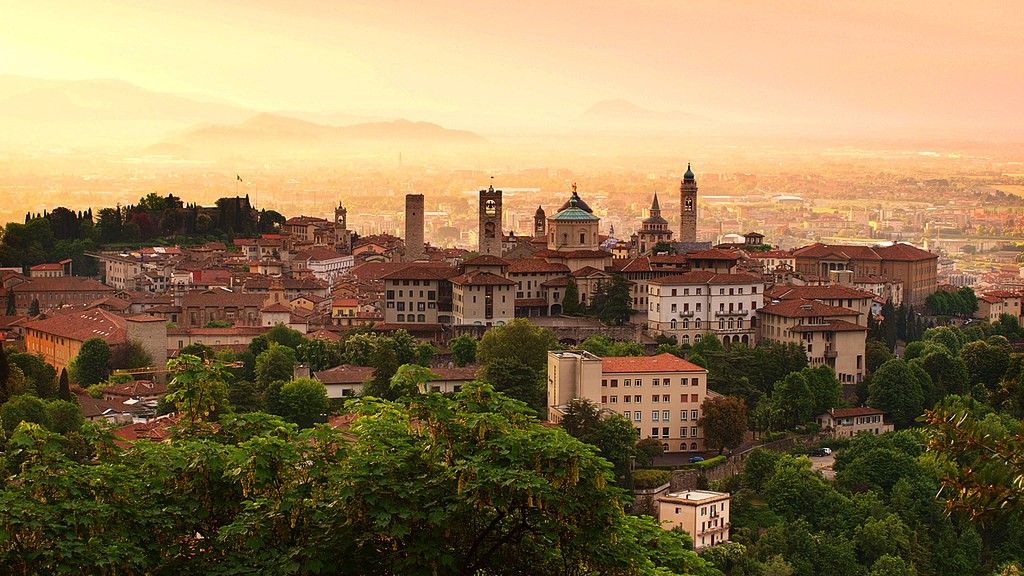
Bergamo is an attractive Italian city, often referred to as the gateway to Milan. Some tourists treat it as a transfer point on their further journey, without paying much attention to its advantages. Wrong, because you cannot deny him these - the old part of the city is especially beautiful, picturesquely situated on the hill. You can admire the snow-covered alpine peaks from it.
Two faces of Bergamo
In the winter season, the town is populated by skiers. It is a great starting point to the most famous ski slopes of this part of the continent.
Lying at the foot of the Alps, Bergamo can be divided into the Lower Town (Citta Bassa) and the historic center (Citta Alta). Both parts are connected by the historic Funicolar Railway. The first is modern, the second is extremely atmospheric, which is due to the typical Italian character of architecture. The streets are narrow and paved with stone, and on both sides there are rows of historic tenement houses. In summer, you can sit at a table and feel the Italian atmosphere over a cup of cappuccino, while in winter, you can enjoy a glass of wine in one of the many osteria.
The charms of Citta Alta
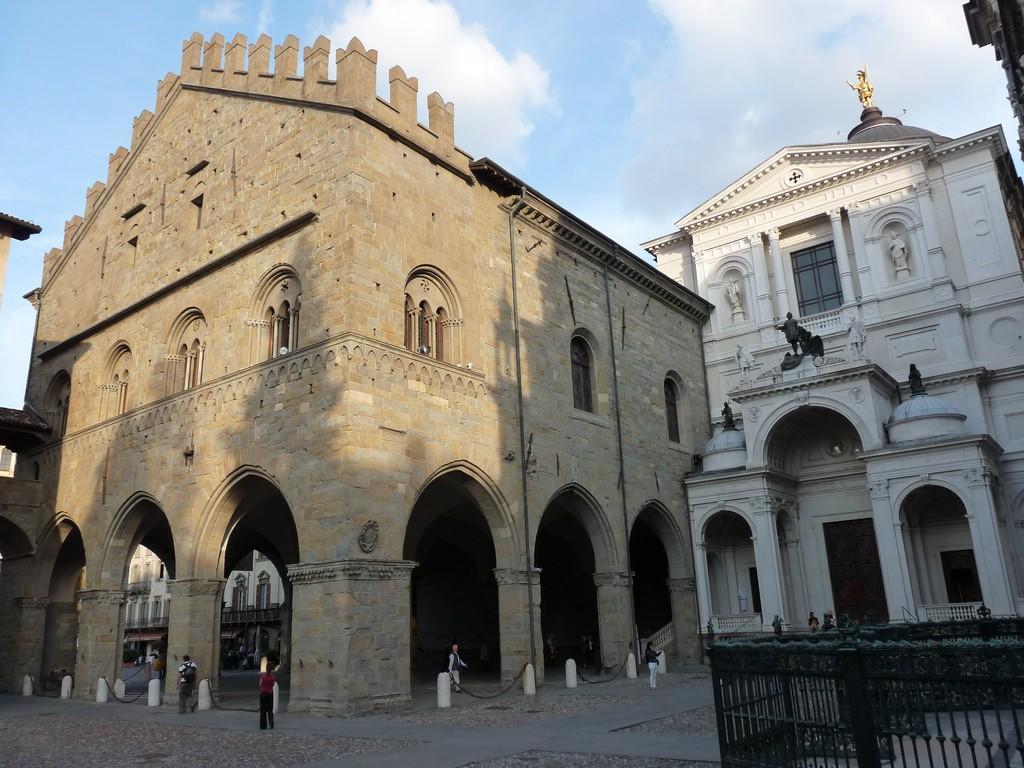
Citta Alta is filled with old tenement houses and numerous shops with alcohol and local products. The most beautiful buildings stand in the Renaissance square, Piazza Vecchia. One of them is Palazzo della Ragione , one of the oldest public buildings in Italy. In the immediate vicinity is the Palazzo Nuovo, which houses the Angelo Mai Library - one of the most important historical libraries in the country.
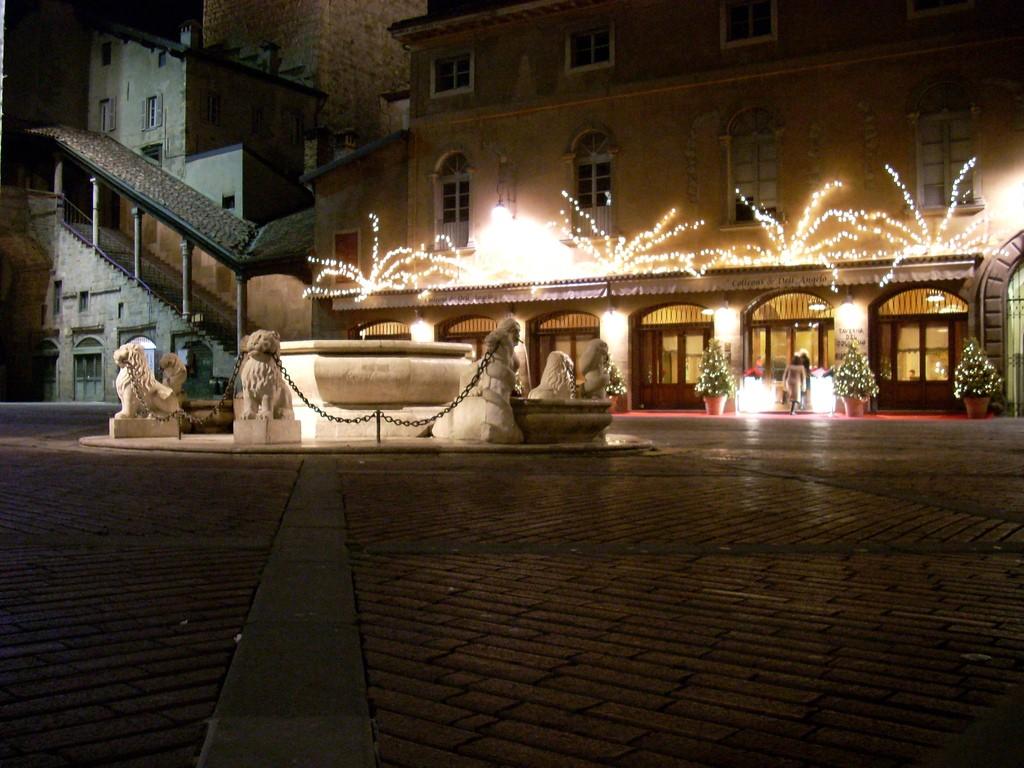
The center of Piazza Vecchia is a fountain surrounded by restaurant tables. In the evenings, they are filled with guests and the smell of delicious Italian dishes. The square is perfectly lit, which adds charm and picturesqueness.
In the old part of Bergamo, there is a viewpoint over the whole area - the 11th-century City Tower. It is also worth paying attention to the five-kilometer defensive walls surrounding Citta Alta and religious monuments. Among them, the Basilica of Santa Maria Maggiore and the Cathedral of St. Alexandra.
Towering over the city
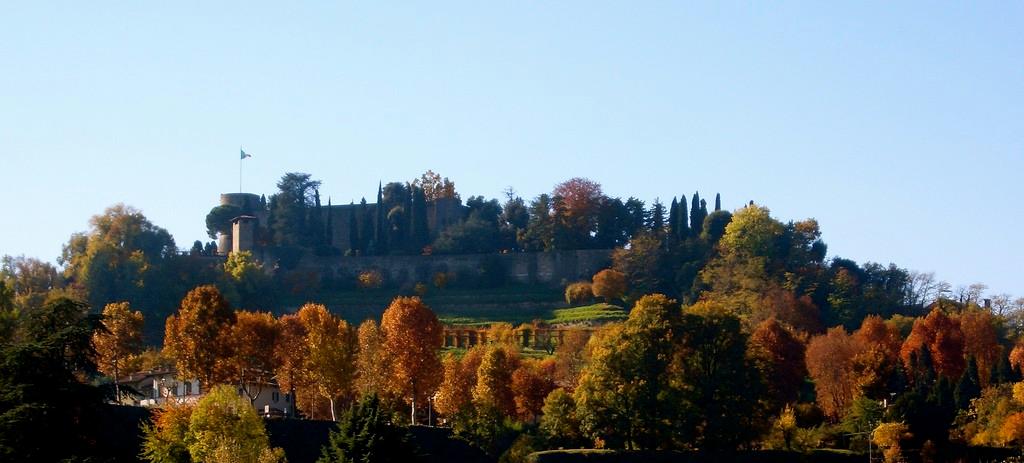
In the old part of Bergamo there is the San Vigilio hill. You can get there on foot or take the funicular. There is a wonderful panorama of the city from the top. Many people consider it one of the most beautiful viewpoints in all of Lombardy.
There is a park at the top, much liked by locals and tourists alike. The locals come here in peace and quiet to read a book on a bench. Picnics are often organized here, and there are also people resting on the grass on a blanket.
In the vicinity of Citta Alta, there is another unique place. This is a must-see for nature lovers, Nell'Orto botanico di Bergamo .
On the other hand, in the lower part of the city, on Sentierone Street, you can do some decent shopping, because all the most important Bergamo boutiques are located here.
Campsite in the Bergamo area
Once we leave the city and continue our journey to discover the other attractions of Lombardy, it is worth paying attention to the beauty of the area around Lago d'lseo. It is located about 40 km west of Bergamo. By the way, you can stay above it for the night - there is a nice Camping Punta d'Oro here. For a parking space for a motorhome, we will pay 10.6 euro per night, while a day of stay costs, depending on the season, from 5 to 7.7 euro.
A similar distance separates Bergamo from the second famous lake - Como. In turn, one of the most famous lakes in Italy, Garda, is located approximately 80 km from the city. When planning a trip through Italy, it is worth seeing both reservoirs and see that the stories about their beauty are not exaggerated.

A writer by profession, a passion of a cat. One day he will see what is behind the Urals - good to Vladivostok. So far, when he can, he enjoys the sun of the countries of southern Europe. And it's also fun;)