
Where the dice were thrown
Alea iacta est ("The dice were cast") - history tells us that Julius Caesar uttered these words over 2,000 years ago, crossing the Rubicon River. The event started a bloody civil war that torn the Roman republic over the years. Rubicon formed the natural border of Italy with Pre-Alpine Gaul. The passing of Caesar and his army to the other side was tantamount to a declaration of war. It didn't take long for the waters of the river to run down with blood.
Holidays on the Rubicon
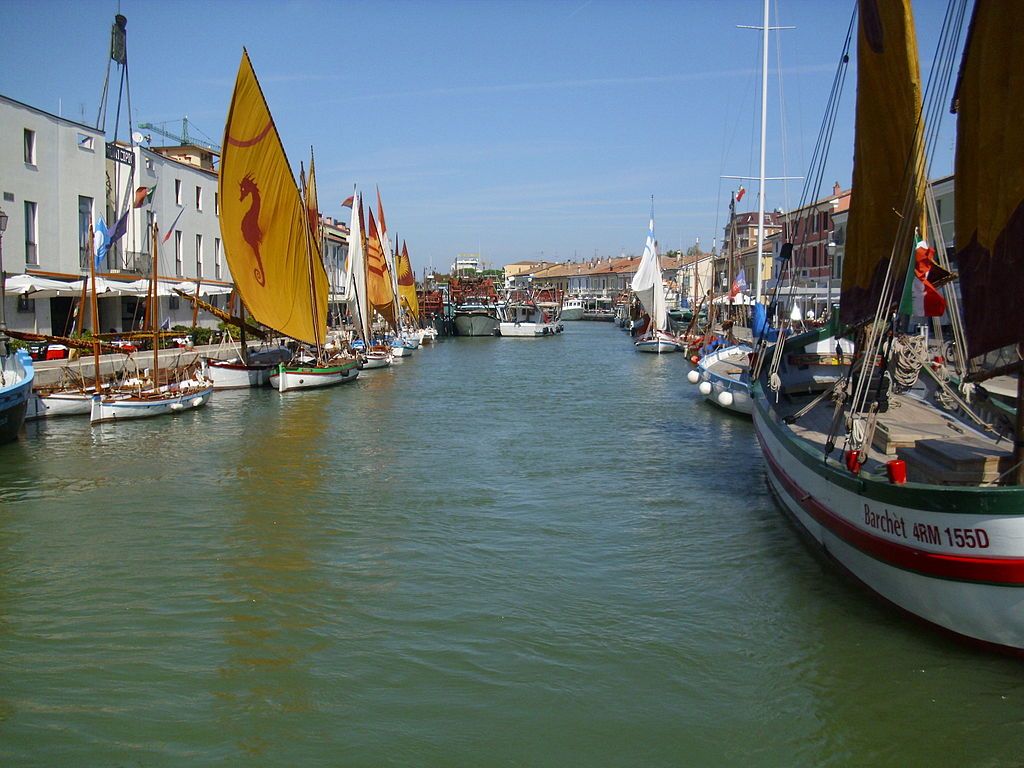
Centuries have passed since the events that changed the history of the country known today as Italy . Nowadays, Rubicon no longer creates a border, the crossing of which is associated with making decisions of great importance. Today it is simply a small river flowing from the Northern Apennines to the Adriatic Sea, winding through northern Italy and ending its way at Gatteo A Mare. While exploring the estuary on foot, we come across a bronze bust of Julius Caesar, reminding us of the famous words spoken by the river. Fortunately, today we can cross the Rubicon without getting our feet wet by crossing the wooden suspension bridge. On the other side is the charming seaside resort of Savignano Mare - perfect for a family holiday . Not only people who want to relax by the warm sea come here, but also tourists who want to get to know as many attractions as possible in this part of the Italian coast in their vacation plans. And it must be admitted that it is a great base for visiting nearby resorts. The town is just 5 km away from Cesenatico, with its stunning port, which was said to be designed by the master himself, Leonardo da Vinci, and the charming old town that surrounds it. From Rimini, which is well-deserved as one of the most famous holiday resorts not only on the Adriatic Riviera, but on the whole of Italy - 12 km. Riccione, known as the Green Pearl of the Adriatic, is 25 km away. Further on, there are centers of great historical and cultural importance - including Ravenna, Florence and Venice.
Travel to Forli-Cesena
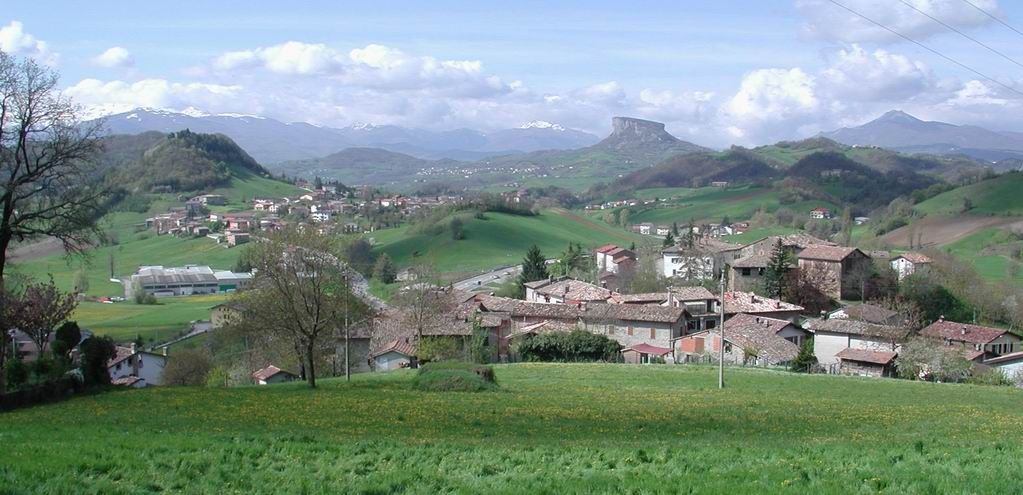
Visiting the attractions of Emilia-Romagna takes much more time than the standard 2-week holiday. The same can be said of one of the provinces of this beautiful region, Forli-Cesena, loved by enthusiasts of cycling, with plenty of trails and paths waiting for you. Like a magnet, it attracts lovers of fun in the family circle, who are looking forward to all-day fun in amusement parks (Mirabilandia, Italia in Miniatura, Fiabilandia, Acquario, Oltremare or Aquafan). And those who want to have everything - both a vacation by the sea and contact with Mediterranean nature, as well as access to the "gains of civilization" - will be broke, but happy after crossing the threshold of the Romagna Shopping Valley (Savignano sul Rubicone). Under this name, there is a shopping center with over 120 stores, 12 cinemas, a games room and a bowling hall. There are 4500 parking spaces.
Camping on the coast of Emilia-Romagna
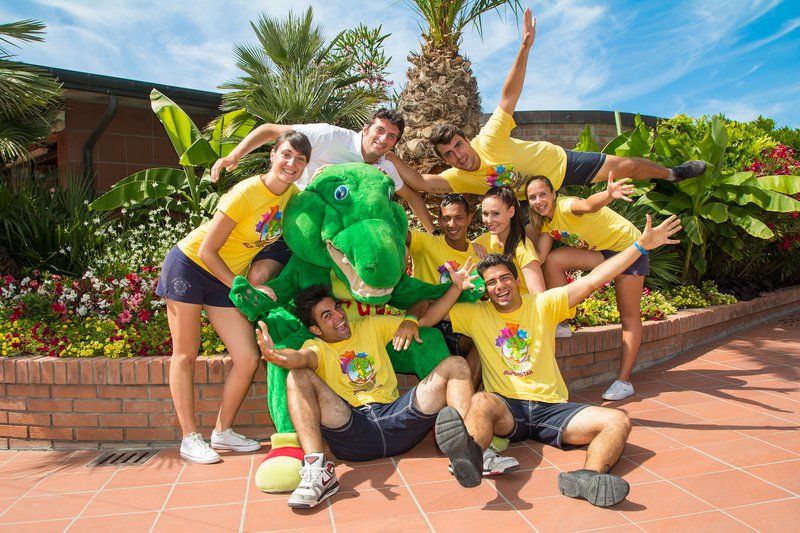
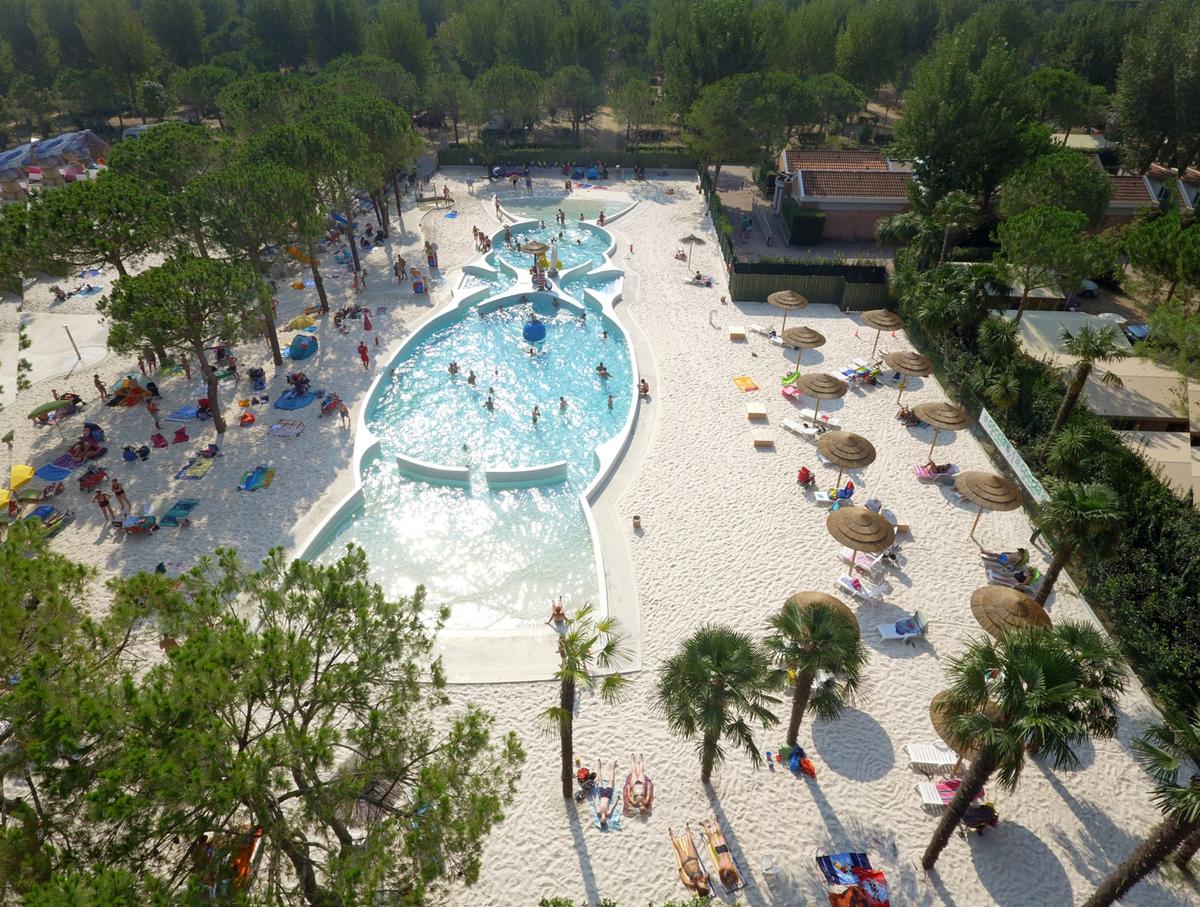
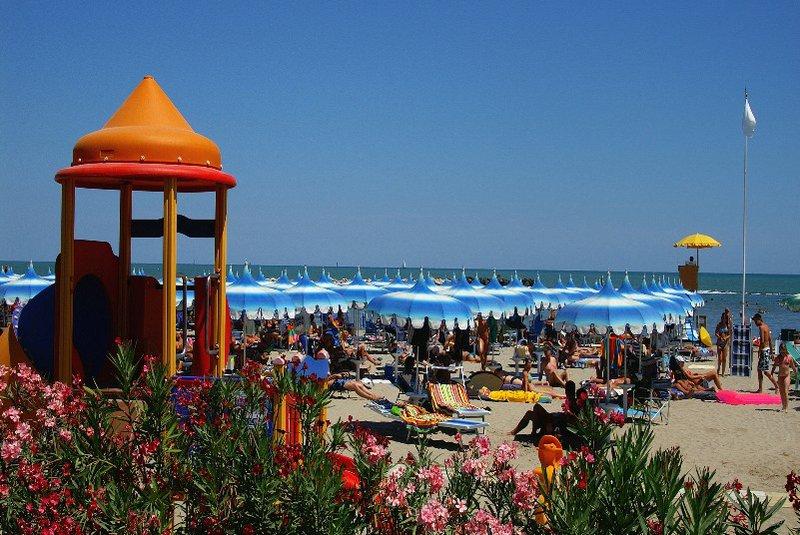
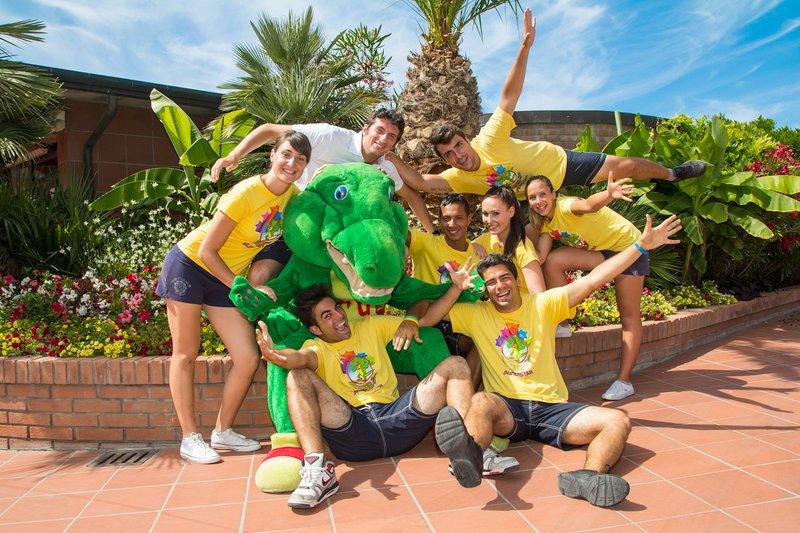
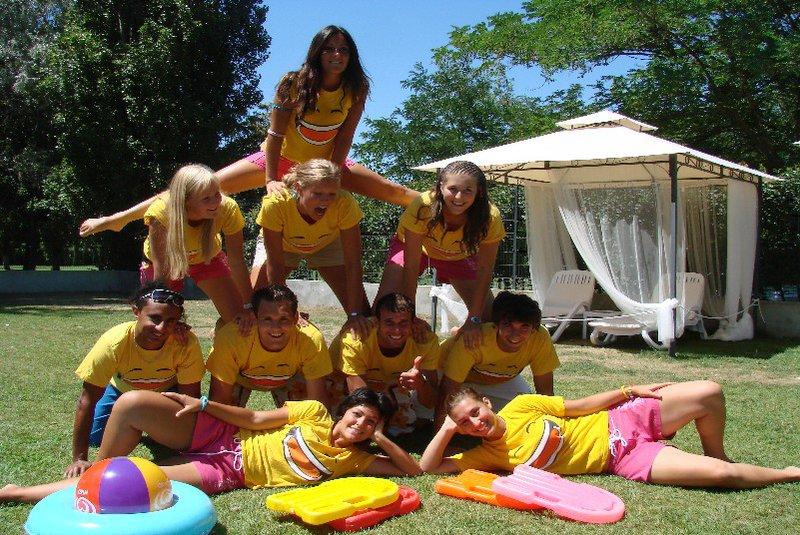
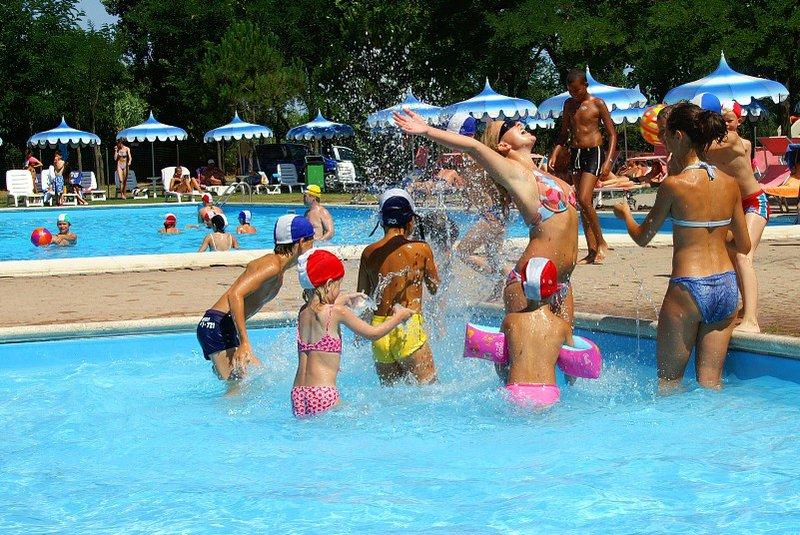
The accommodation base of the region will meet the expectations of absolutely every person. Tourists looking for a campground with a wide range of entertainment will surely pay attention to the 4-star Camping Villaggio Rubicone , open from May 12 to September 18. It is located in Savignano Mare, and San Mauro A Mare is literally a stone's throw away - 200 meters. As one of the few on the coast of Emilia-Romagna, it has its own beach, tempting tourists with it. It is especially loved by families with children, because there are a lot of attractions waiting for the youngest, including activities organized as part of animation. The proximity of amusement parks and aqua parks is also important. Close to everything, and even if the weather was not good, staying at the campground does not mean boredom - many people lack a day to take advantage of all the attractions.

A writer by profession, a passion of a cat. One day he will see what is behind the Urals - good to Vladivostok. So far, when he can, he enjoys the sun of the countries of southern Europe. And it's also fun;)