

Which thermal clothing should you choose for running?
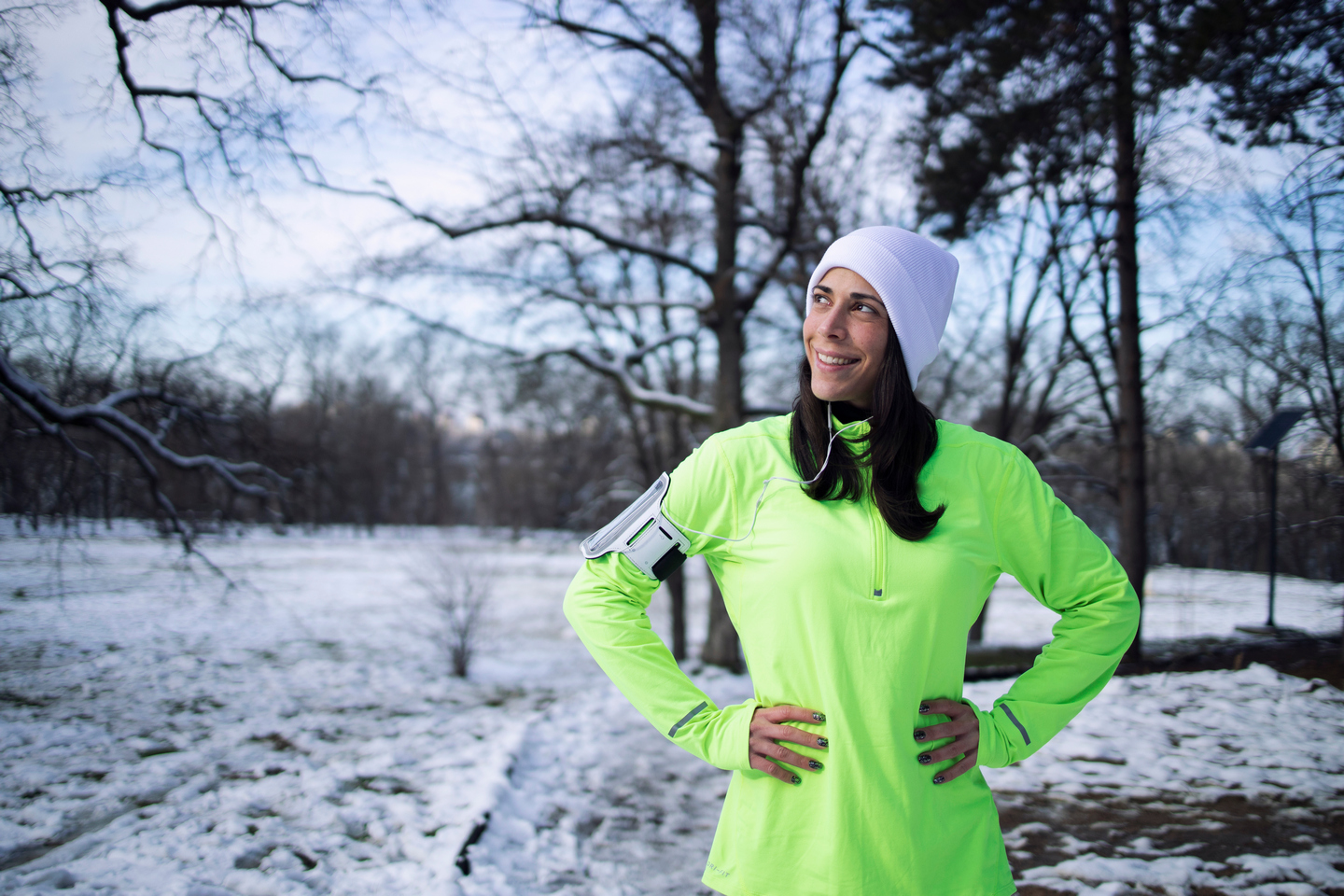
Rushing through park paths or city alleys, every runner knows how unpredictable the weather can be. The right outfit becomes a necessity that allows you to enjoy running all year round.
What is thermal clothing and why is it important for runners
Far from being just a trendy accessory, thermal clothing is a key layer that protects and supports the runner's body. By maintaining appropriate body thermals, it allows you to focus on training and achieve better results. Its secret lies in advanced fabrics that "breathe", dry quickly and effectively remove moisture.
An additional bonus is the fact that modern thermoactive running clothing ( https://brubeck.pl/kategoria-produktu/aktywnosc/bieganie-aktywnosc/ ) can be adapted to the specific requirements of each user, which ensures complete freedom and comfort while running. Smart features such as pockets and reflective elements are not only practical, but also increase safety in various conditions.
What materials and technologies should you choose in thermal running clothing?
When looking for running equipment, the quality of the materials used should be a priority. When choosing thermal clothing, it is worth choosing fabrics that are masters of moisture regulation and ensure maximum breathability. Polyesters and polyamides are popular among runners for their ability to effectively wick moisture - a critical aspect during strenuous training. Let's also not forget about innovations such as the addition of silver ions or the use of nanoparticles that can eliminate bacteria and unpleasant odors.
When we choose the perfect clothing for our running sessions, we cannot ignore aspects such as the drying speed of the material. On frosty mornings, clothing with additional insulation will come in handy, while summer days call for materials that cool the body.
Personalization of thermal clothing - styles and cuts tailored to you
Every runner has his or her own unique needs, and well-fitting thermal clothing is the basis for comfort and training effectiveness. When choosing between different styles, pay attention to the elasticity of the material - it should ensure freedom of movement and not cause discomfort during changing running dynamics. Designers keep this in mind, offering models from tight to looser, adapted to various types of activities.
Small design elements, such as pockets for small items or zippers that make dressing easier, can significantly increase the comfort of running. Another important aspect, especially during evening training, are reflective elements that improve safety by increasing visibility on the road. These small details guarantee full satisfaction with the use of thermal clothing.
Practical tips – find the perfect thermal clothing for yourself
Before purchasing, take a few simple measurements to adjust the size and shape. Use manufacturer sizing charts to maximize garment efficiency. Opinions of other runners and reviews can be an invaluable source of information about the advantages and disadvantages of products.
To make your thermal clothing serve you as long as possible, don't forget about proper care. Washing at low temperatures, avoiding bleach and drying recommended by the manufacturer are the basics. Proper care of your sports equipment will increase its durability and performance. Let your thermal clothing become a reliable companion for every training session!


We have created the CampRest portal for people who value freedom and travel on their own.