
Chieti - between the Adriatic Sea and the Apennines
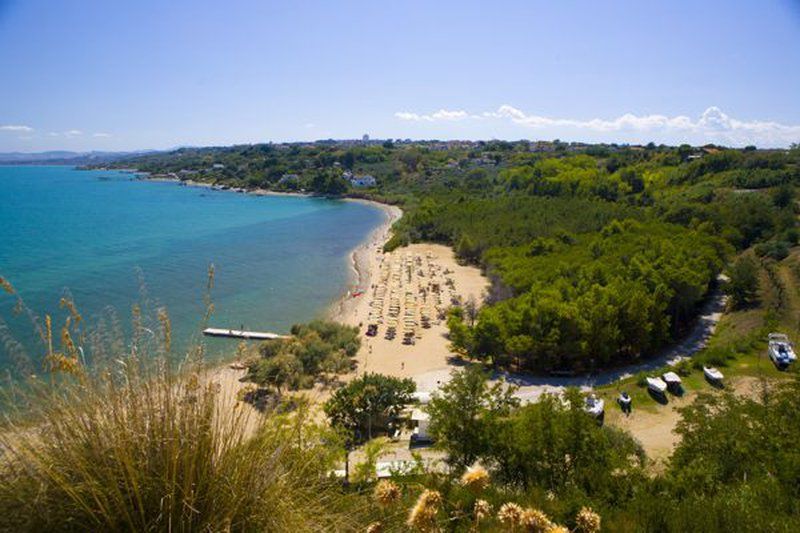
Chieti is a small town in Abruzzo, with an estimated population of just over 50,000. Its unique location determines its uniqueness. The city is located on the Aterno River, just a few kilometers from the shores of the Adriatic Sea, at the same time it is close to two well-known and popular mountain ranges in the Apennines - Majella and Gran Sasso. So both sunbathers and winter sports fans will spend a pleasant holiday there. What you absolutely must see in Chieti? Check out our guide to the city and the nearest wineries in the region!
Historical outline and present times
In Roman times, the city was known as Teate Marrucinorum. During the Middle Ages it was ruled by the Goths, Lombards, Normans and Franks. From the 4th century it was the seat of the bishopric, and from the first half of the 16th century - the archbishopric. Arezzo's greatest development was in the 15th century. Currently, the city is one of the commercial and industrial centers of the agricultural region. The textile, machinery, food and glass industries are developing particularly strongly there. The most important monuments worth seeing during a trip to Italy are the churches in the city - San Antonio, Santa Maria della Civitella and Santa Maria del Tricalle. Visitors can also admire the remains of Roman temples, thermal baths and the theater, built in the 1st century AD. Particularly noteworthy is the historic center and the National Archaeological Museum, which has collected the history of Abruzzo. Visiting Chieti can also be extended with a visit to the surrounding groves and vineyards, which are abundant in almost the entire region.
Wines from the Chieti area
The Abruzzo region is distinguished not only by its favorable geographic location, but also by the production of world-class wines, dating back to the Etruscan times. Most of the vineyards are situated on gentle slopes facing the sea. On the one hand, the sea breeze cools them, and the Apennines surrounding the region to the west protect them from rain. Thanks to this, the conditions for growing vines are so perfect and the wines obtained - so delicious. The most common varieties are montepulciano d'Abruzzo, which goes well with fish, trebbiano d'Abruzzo and the newest - controguerra. Due to their unique taste, their fame reaches beyond the country's borders. Drink lovers will also find other varieties here, such as merlot, sangiovese, chardonnay and sauvignion. Certainly, a bottle of one of them is worth bringing from your holiday in Abruzzo . It will be a great souvenir from holidays in sunny Italy.
Camping in Abruzzo
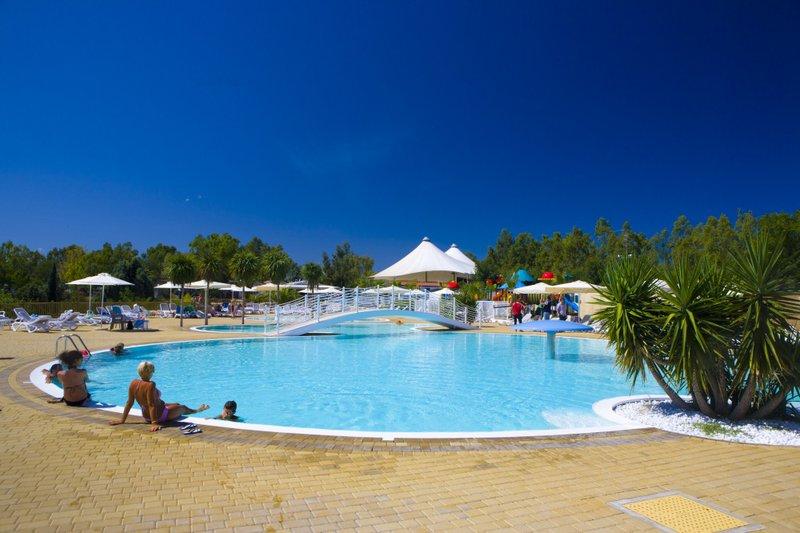
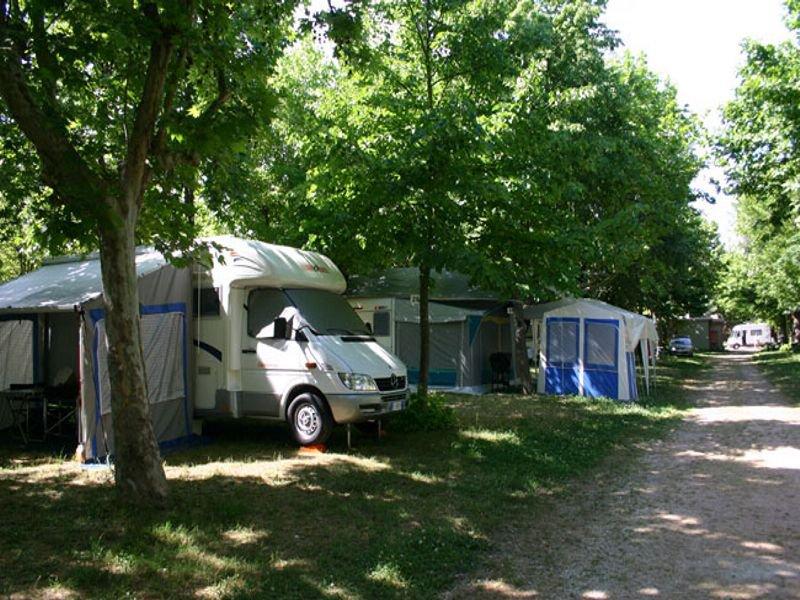
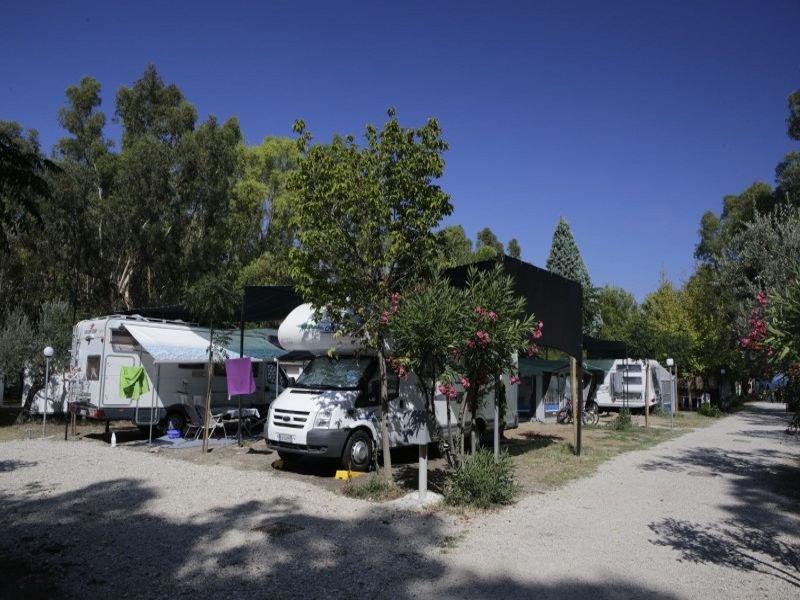
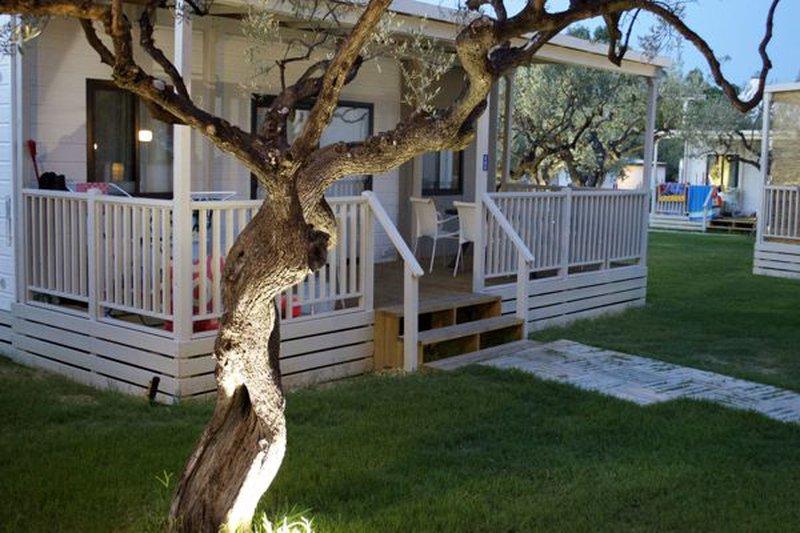
Grotta del Saraceno is considered to be one of the best campsites in the entire region. The quality of services is evidenced by the many years of experience of the owners who opened the facility in the 1980s. It was quickly chosen by people traveling to a campsite in Italy . Its undoubted advantages include an excellent location right by the sea, a short distance to rivers and the possibility of using public transport. There are separate plots of land, cottages and bungalows for rent, as well as a campsite. Sports enthusiasts will not be disappointed, as there is a rental of kayaks, mountain bikes, diving equipment, a volleyball court and a swimming pool waiting for them. Additional amenities include a cafe, gym and disco. Family holidays in Abruzzo will also be successful here - a playground, paddling pool and nursery have been prepared for children. A team of qualified animators will take care of your kids' great fun.


I like closer and longer journeys - with an analog camera and a great appetite, because I always like to get to know the local cuisine during the trip. My favorite region in Europe is the Balkans, especially Montenegro, Albania and Bosnia with Herzegovina, which I have visited several times. I dream of returning to beautiful and unpredictable Iceland. I am currently in Southeast Asia.