
Trieste: on the trail of ancient Romans and Austrian emperors
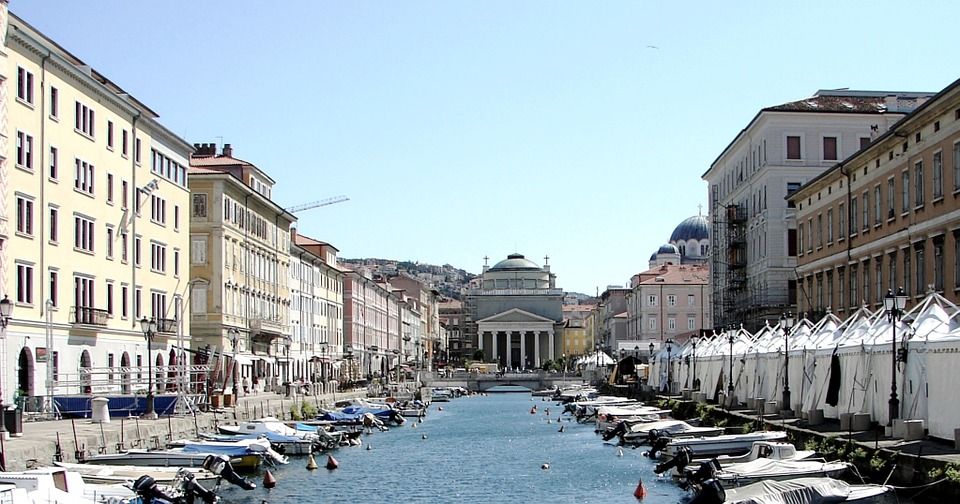
We stood on the harbor coast of Trieste, breathless with delight. Before our eyes, Friulia Venezia Giulia was waking up from its night sleep - one of the most charming corners of Europe. Trieste was on our Italian journey for a reason - this ancient port was for centuries one of the most important metropolises on the continent. This is where East and West met. Closing our eyes and listening to the roar of the waves of the Gulf of Trieste, we heard the crash of boats that came to the shore, carrying countless riches on board - gold, silk and precious spices. Opening our eyes, we saw an equally impressive panorama - hundreds of stylish yachts and catamarans moored opposite Barcola - an elegant seaside boulevard and one of the icons of the city. Everywhere we looked, Trieste surprised us with the splendor of architecture that was the legacy of two powerful empires: ancient Rome and 19th-century Austria-Hungary.
A holiday in Friuli Venezia Giulia is a fascinating encounter with history
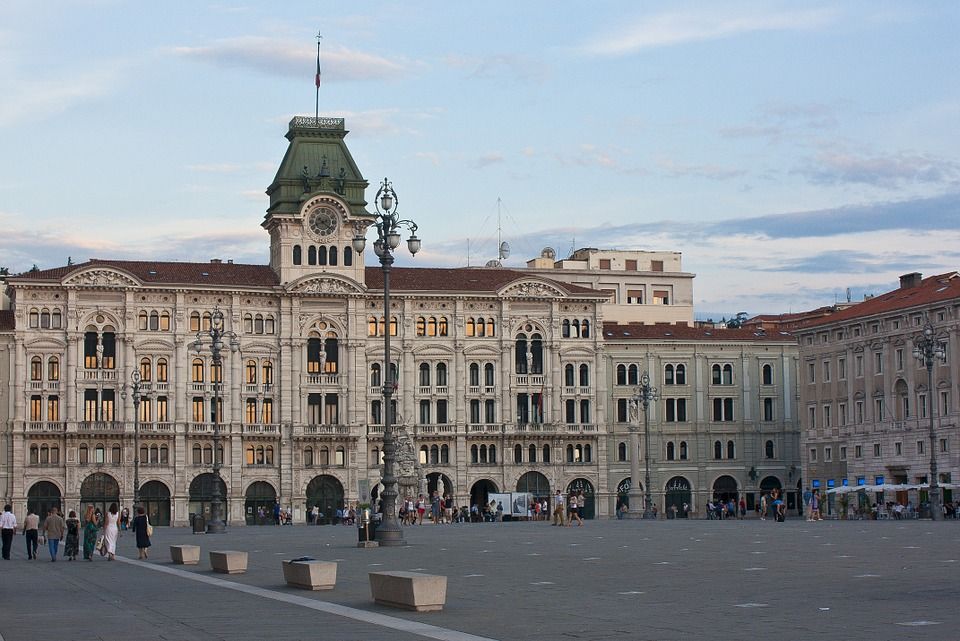
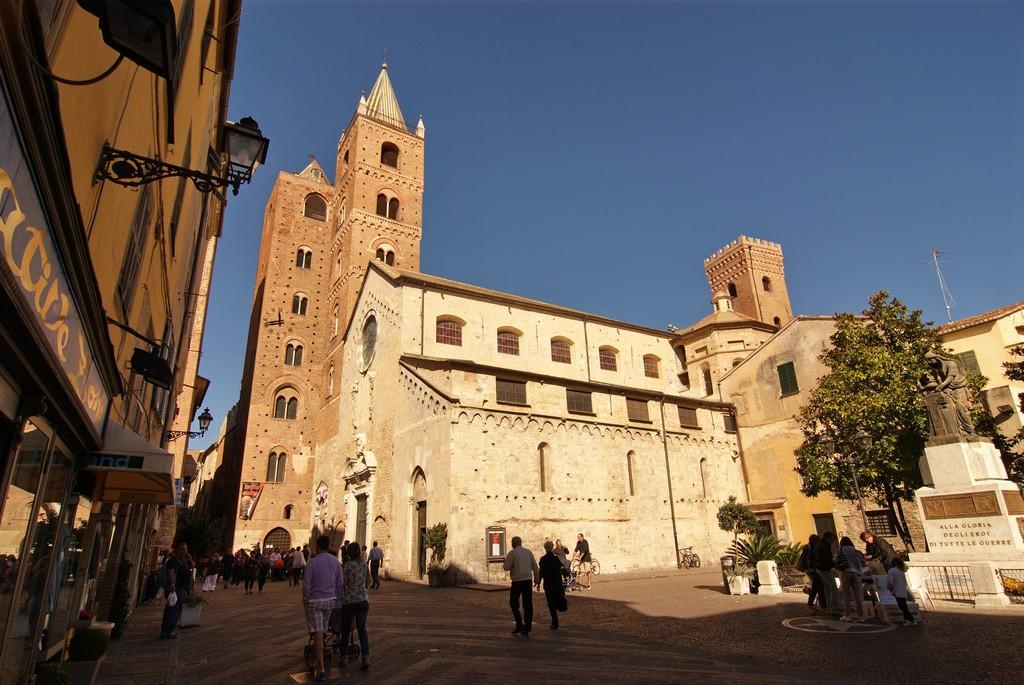
Trieste and its picturesque surroundings lie slightly off the main tourist routes. And, especially if we dream of a quiet holiday, for example at a campsite in Venezia Giulia , we should be happy about it! While in Rome and Venice tourists are fighting for the last balls of chocolate gelato , near Trieste travelers can peacefully enjoy the sound of the sea, the joyful bustle of the city and the breathtaking architecture. Walking early in the morning along the winding streets of Citta Vecchia - the old town - it is worth being seduced by the charm of the medieval corner of Trieste, which is best compared with the Austrian Quarter , famous for its imperial splendor. This part of the city, reminiscent of Vienna, can make you dizzy with its exuberant architecture. All you have to do is walk through Piazza Unita - the largest seaside square in Europe - to feel like the Emperor himself, surrounded by an architectural mishmash of styles of majestic tenement houses (there are fanciful baroque, noble neoclassicism and surprising art nouveau next to each other).
Accommodation in Friulia Venezia Giulia
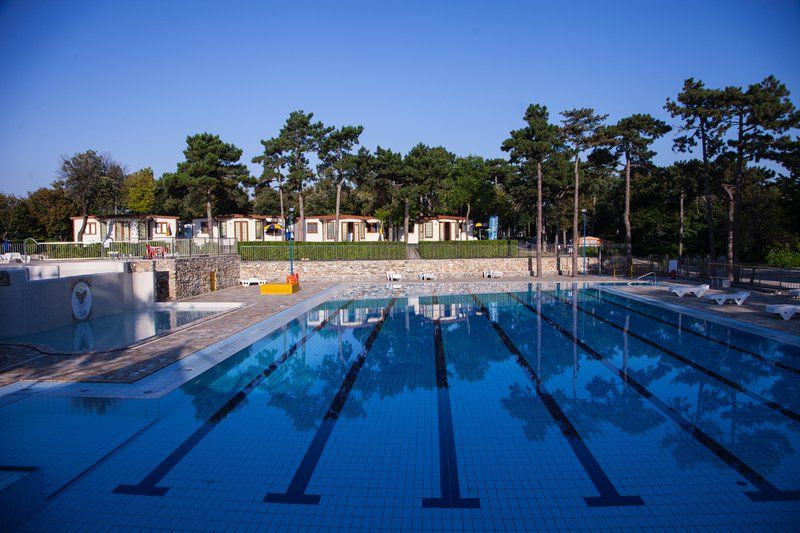
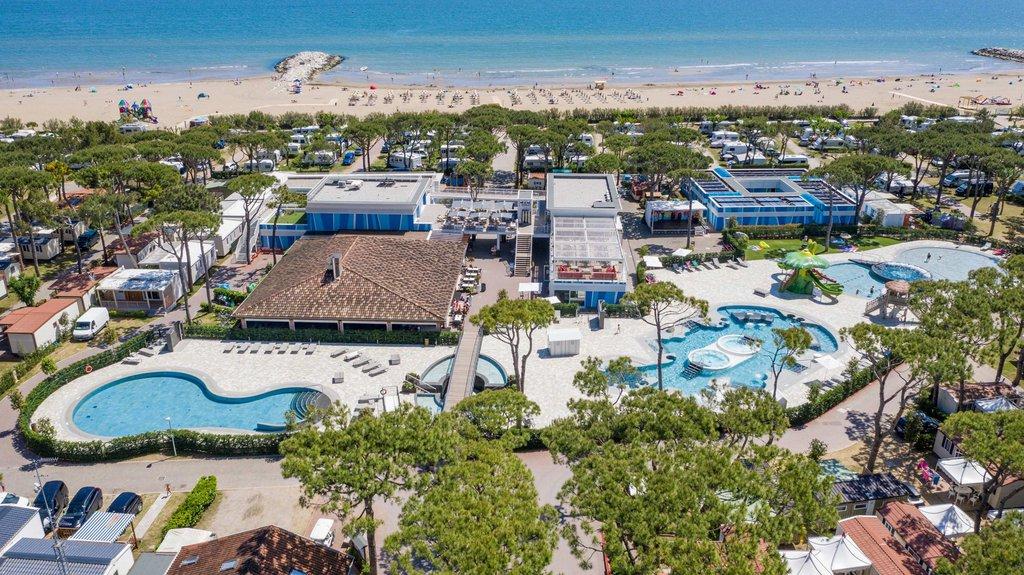
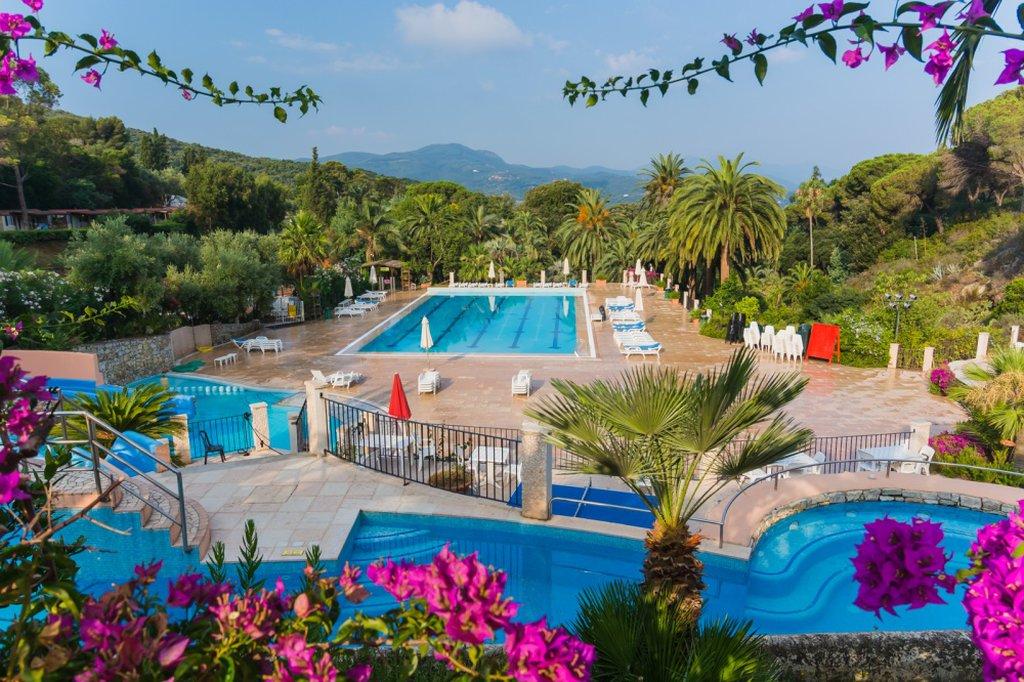
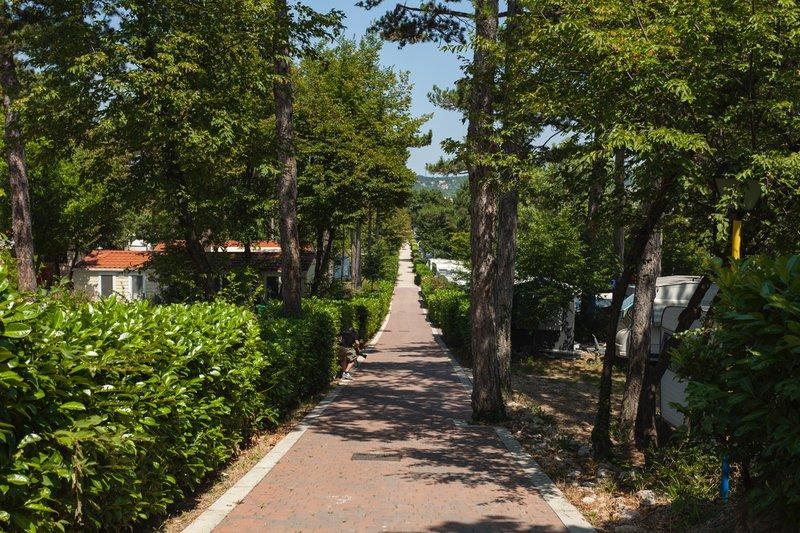
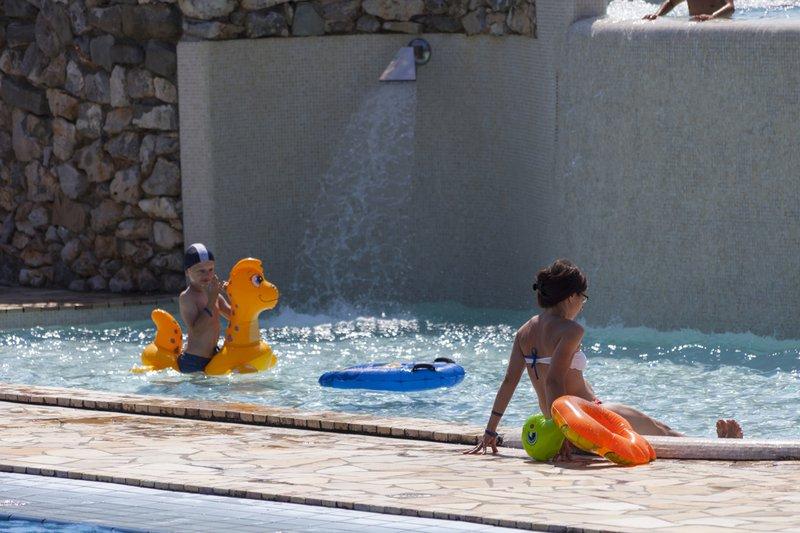
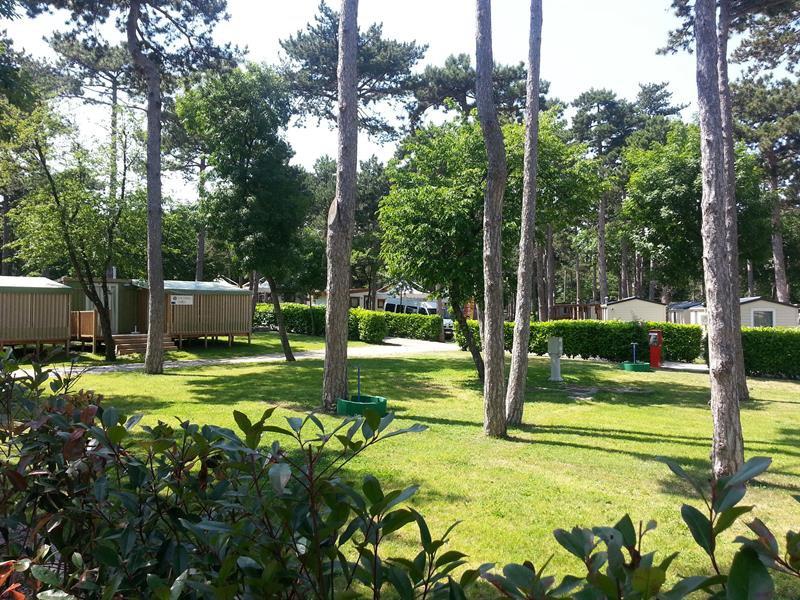
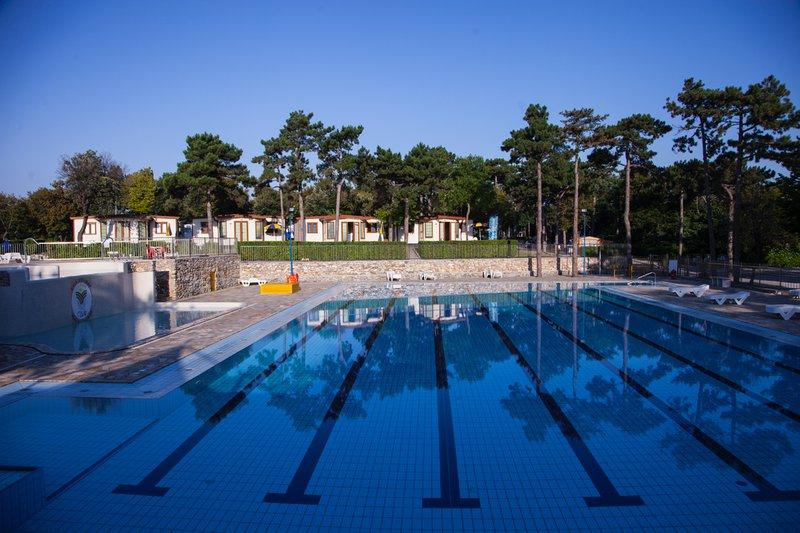
For most of us, discovering this part of Italy on our own means that we will have to find suitable accommodation in Friulia Venezia Giulia. Therefore, when planning a holiday near Trieste, it is worth booking Camping Village Marepineta in advance - a real gem on the Gulf of Trieste . This comfortable and modern campsite, part of the Baia Holiday camping network, is located in the charming Italian town of Dunio Auristina, less than 16 kilometers from Trieste. Guests can lazily relax here on rented plots or in mobile homes, listening to the sound of the waves of Sistiana Bay . They can also jump in the sea waves on the wide and clean gravel and sand beach, 3 minutes away. a leisurely walk or... an exciting ride on an electric train! There are amenities and attractions for every demanding tourist. You can enjoy Mediterranean cuisine without feeling guilty, while admiring the sunset over Trieste from the restaurant terrace. In the bar full of positive energy, it is worth trying local alcohols and... joining the evening activities organized by the animation team. On hot days, you can cool off in the waters of the swimming pool complex, where there are basins adapted to the needs of both adults and children.
If this vision of a camping holiday in Italy sounds tempting to you, be sure to visit Trieste this summer!


I love traveling, it's an understatement, it's just my whole life. I spend 80% of the year jumping here and there :)